A Shared Tablet Saved Farmworkers’ Complaints for Supervisors
Residents used a translation app to report broken heaters and missing wages. Its saved history left those complaints open to supervisors on the same tablet.
August 9, 2026 · 8 min read
The record fit on four pages.
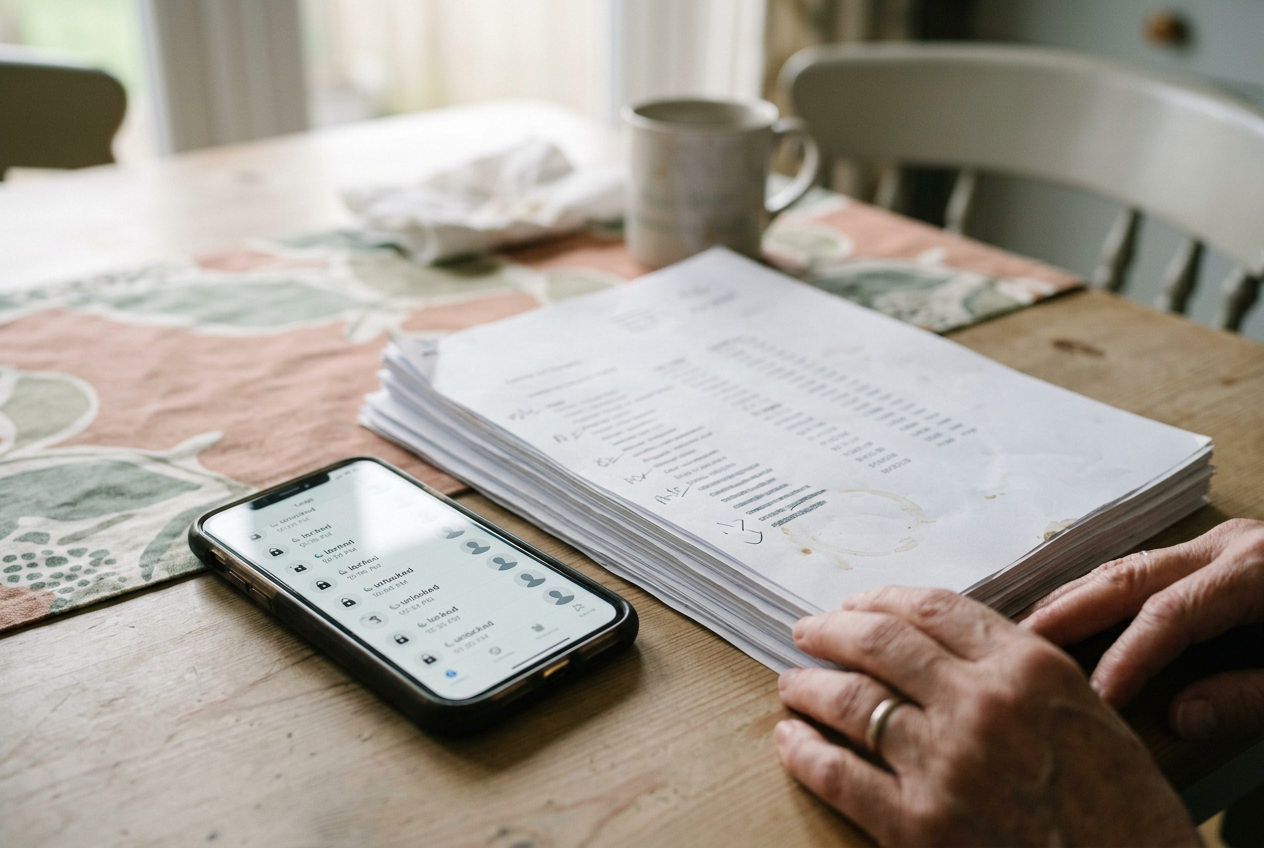
Marisol held the printout at a kitchen table in employer-provided housing, eight months after residents began using a shared tablet to translate messages from Spanish into English. The pages showed a translation history arranged by month. Entries about broken heaters sat beside questions about missing wages, with enough detail to identify the small groups who had raised each concern.
No resident remembered being told that the app kept this history. They had treated the tablet as a temporary bridge: type a sentence, show or copy the translation, then move on. The device stayed in a common area so workers could report maintenance problems and understand notices from supervisors.
The app did something more. It retained the text.
The four-page printout became the clearest account of what had happened because it showed what remained after each conversation seemed finished. It could not show who had read an entry, whether anyone had exported it, or whether the same history appeared on another device. It did show that months of complaints were available from the tablet without a separate resident login.
The heater complaint
The first entry Marisol recognized came from October 2023, when heaters in part of the housing complex stopped working. Nights had turned cold, and residents were using extra blankets while they waited for repairs. Some worried about plugging in portable heaters because the outlets already served cooking appliances and phone chargers.
Marisol helped describe the problem through the translation app. The entry identified the affected bedrooms and explained that the heaters were blowing cool air. Another resident carried the tablet to a supervisor, who read the English text and said the problem would be passed along.
Portable heaters arrived before the main system was repaired. The outage lasted nine nights.
The tablet made the report possible. Marisol could describe the problem without waiting for a bilingual coworker, and the supervisor did not have to guess what residents meant. That convenience mattered in housing where maintenance requests moved through the same people who assigned work.
The saved entry did not seem important then. Marisol assumed it had disappeared after the translated text left the screen.
Four months later, a different problem brought several residents back to the tablet. Marisol’s pay statement was missing 11 hours. At $16 an hour, the difference was $176 before deductions. Other workers had questions about their own totals, and the group compared pay statements at the kitchen table before drafting a message that asked management to review the records.
They used the shared tablet because it was already there. One person typed while the others checked the Spanish text and the resulting English translation, changing a few phrases so the message described the missing hours without accusing anyone of taking the money.
The workers considered this a private discussion. They were preparing a wage concern together, but they had not decided who would send it or whether everyone wanted to be named. The draft itself contained that uncertainty, including references to more than one pay statement and the amount Marisol believed she was owed.
The translation remained in the history.
The history opens
Marisol learned this during a later conversation about housing. A supervisor picked up the tablet, opened the translation app and moved through earlier entries while another resident watched. The supervisor referred to the wage calculation and asked which workers had prepared it.
That detail changed how the group understood the device. The issue was no longer a general possibility hidden in a privacy notice. A supervisor had reached an entry the workers believed they had used only among themselves.
One resident photographed the history. An organizer later printed the images, producing the four pages that Marisol kept. The pages covered six months and included maintenance reports, payroll questions and drafts that had never been sent. Some entries were ordinary.
Others showed which residents had discussed a shared complaint before approaching management.
The printout did not prove that supervisors had monitored the tablet continuously. It offered no viewer log, and the workers could not determine whether the app had synchronized the history to an online account. What they knew was narrower: the translations persisted, the shared device exposed them, and at least one supervisor knew how to reach the history.
That distinction matters. A tool can create surveillance conditions without anyone installing it for the stated purpose of surveillance, because saved text on a shared device becomes available to whoever holds the device or controls its account, even if the original users understood the tool as a momentary interpreter.
Many translation apps retain recent activity so users can find previous phrases, continue conversations or improve convenience. On a personal phone, that feature may feel like memory. On a tablet shared by residents and supervisors, the same feature can reveal who reported unsafe housing or discussed pay with coworkers.
The risk was amplified by the connection between home and work. The company provided the housing, supervisors entered common areas for operational reasons, and residents depended on the same management structure for job assignments. A complaint about a heater could expose a worker who also needed another month of employment.
No one had explained who controlled the tablet’s account, how long translations would remain, or whether supervisors were expected to review them. The workers also found no separate profiles for residents. Access to the device meant access to the visible history.
Work after the discovery
Marisol’s schedule fell from six workdays to four for two weeks after the wage concern. She could not establish why. Crop conditions affected available work, and other workers also had shorter schedules during that period. The timing frightened her, but the printout could not connect the schedule change to anyone reading the tablet.
Her missing $176 was added to a later paycheck after three pay periods. Management treated it as a payroll correction. The other workers’ concerns did not all resolve at the same time, and the group stopped drafting messages together on the tablet.
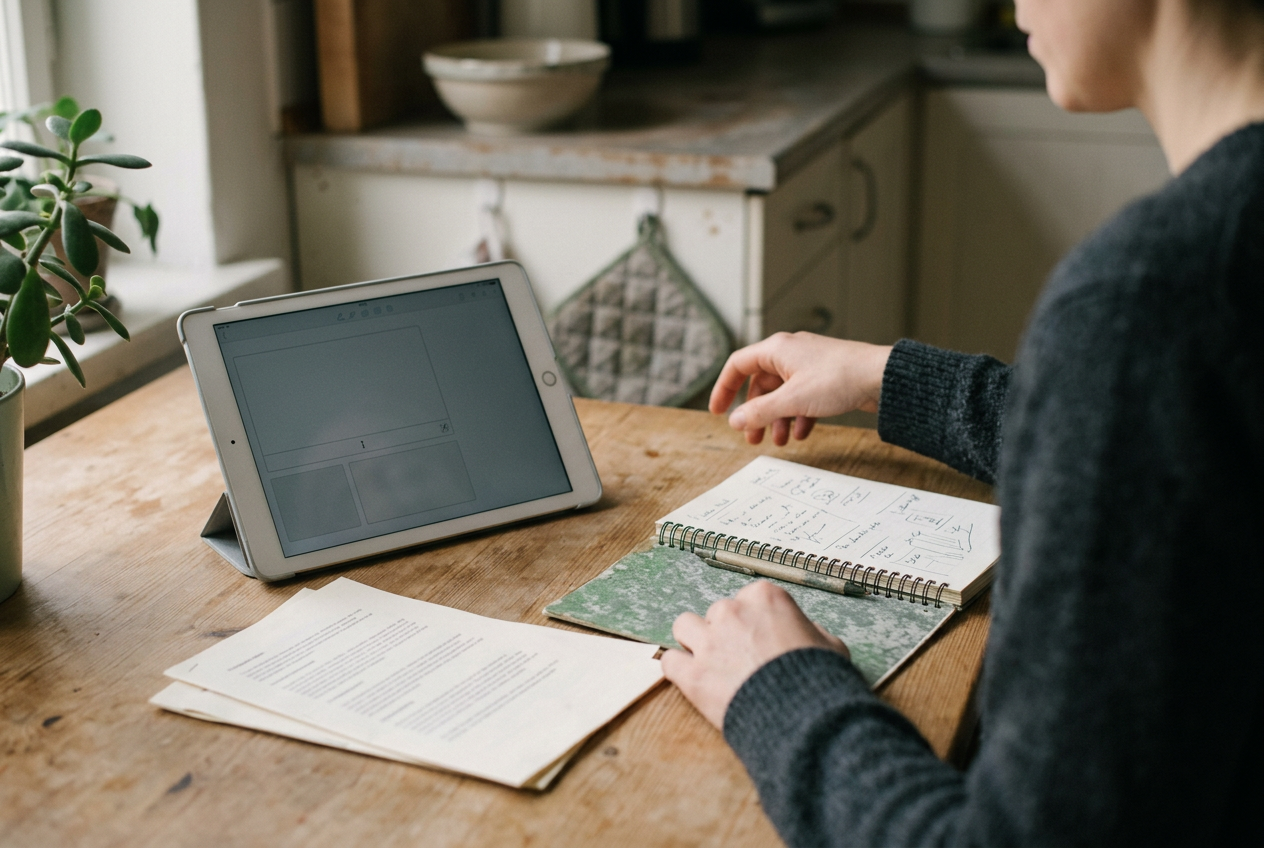
Instead, residents returned to a notebook kept away from the common area. They wrote amounts and maintenance concerns by hand, then chose one person to carry a summary forward. The notebook was less convenient for translation, especially when the strongest English speaker was working elsewhere, but it did not display six months of earlier discussions to anyone who picked it up.
That change had a cost. Some residents delayed reporting problems until a bilingual coworker was available. A heater problem could be shown through a photograph, but a dispute over hours required context, and workers were less willing to enter that context into a device they no longer trusted.
Two months after the discovery, the tablet’s translation history was cleared and its retention setting was changed. A notice near the device said it was shared equipment and that activity could remain visible. Residents were also told they could raise concerns without using it.
Those changes addressed the visible history. They did not answer whether earlier translations had synchronized elsewhere, whether copies existed, or who had opened them. The company did not provide the workers with an access record, and the app’s interface offered no such record on the tablet.
Marisol kept returning to the four-page printout. The heater entry reminded her that the device had helped residents communicate a real safety problem. The wage entry showed why the same convenience could not support confidential organizing when the people receiving a complaint could also inspect the drafts behind it.
By the next heating season, residents still used the tablet for short phrases and routine notices. The notebook stayed nearby, holding the pay calculations they did not want the app to remember.
Questions people ask
Do translation apps save what users type?
Some translation tools keep a visible history on the device or under a connected account. Retention varies by tool and setting. In this story, six months of text remained available, although residents had not been told how long entries would last or whether the history synchronized elsewhere.
Can a supervisor read translations on a shared workplace tablet?
A supervisor may be able to see saved translations if the device has no separate user profiles, the app remains signed in, or its history is available without another login. Here, physical access to the shared tablet was enough to reach drafts about housing repairs and wages.
Does a saved complaint prove that management retaliated?
No. The printout showed that complaints persisted and that a supervisor could reach them, but it did not establish why Marisol received fewer workdays or who reviewed each entry. Her schedule later returned to its earlier level, while the reason for the temporary reduction remained unresolved.
What changed after the workers discovered the history?
The translation history was cleared, a retention setting changed, and residents stopped using the tablet for group wage discussions. Management corrected Marisol’s missing pay after three pay periods, but no access record was produced. Her paper copy still showed $176 beside the October entry.
One story a day
The story of the day, in your inbox
One real story about AI each morning — no hype, no alarm, just company for the road.