A Smart Lock Counted 31 Stays. Her Custody Case Used Them.
A home access system labeled routine visits as overnight stays. Its 18-page report then became evidence in a dispute over who lived with a child.
September 4, 2026 · 8 min read
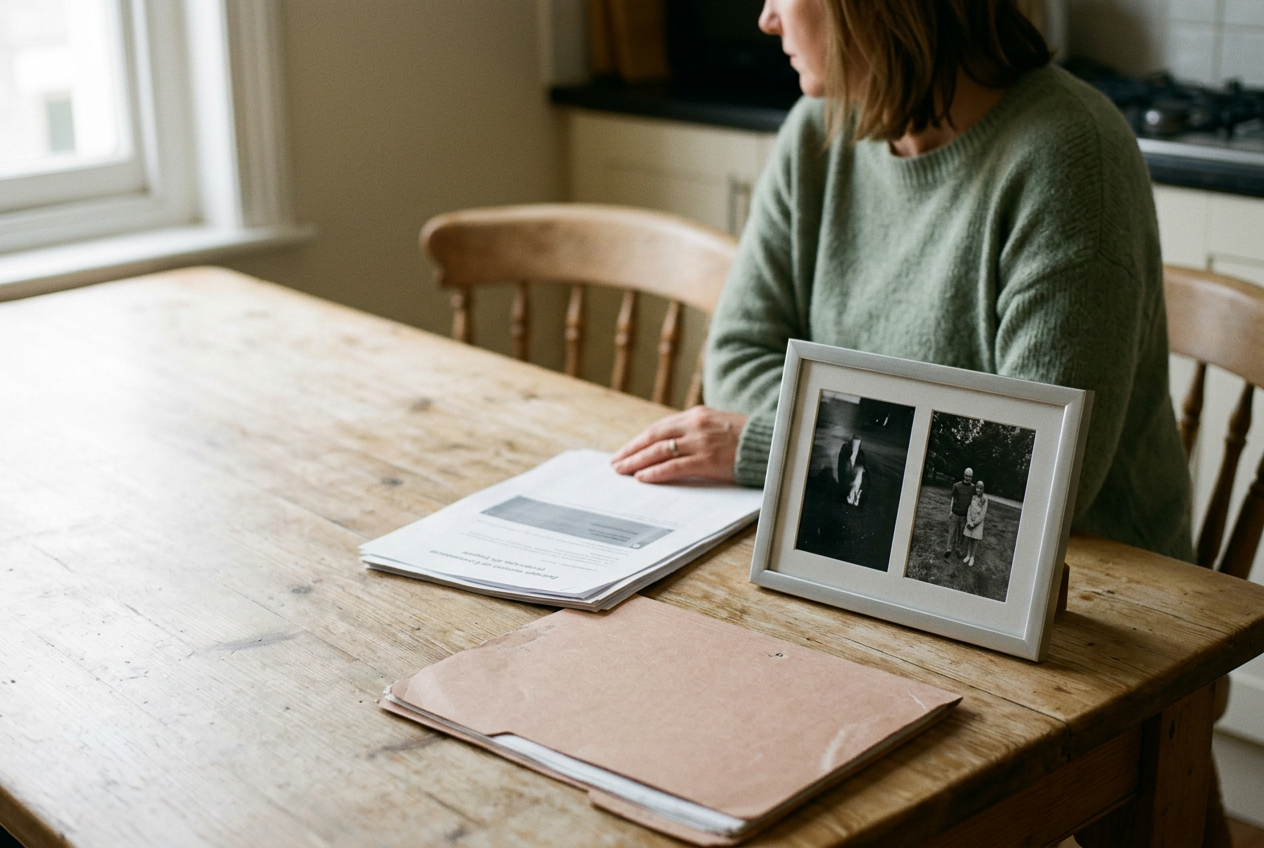
Mara installed the lock after shoulder surgery made it difficult to reach the front door. Her sister came most mornings to help with breakfast and school drop-off. A care worker visited twice a week, while Mara’s father handled some afternoons. Each person received a separate access code so Mara could let them in without distributing keys.
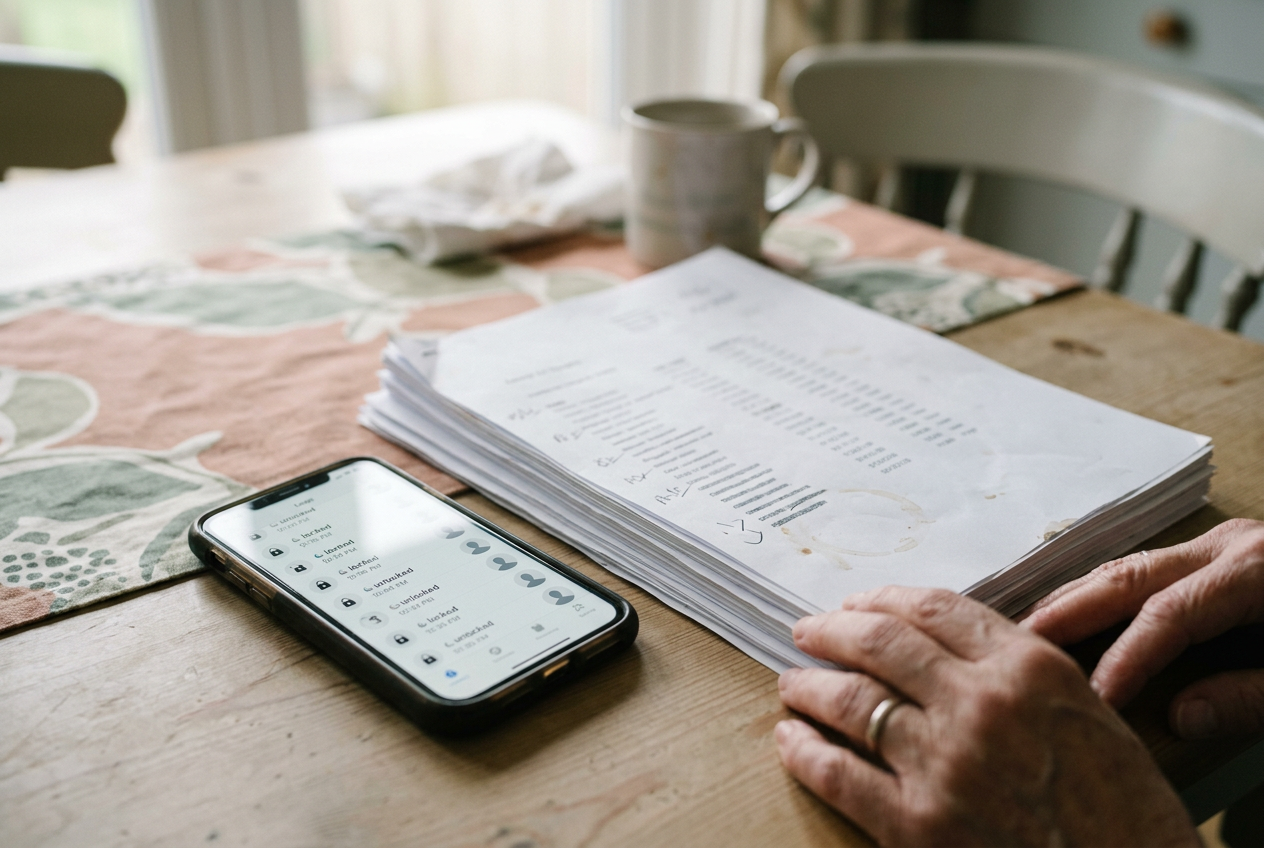
For fourteen months, the system worked as intended. The app showed who had unlocked the front door and whether it had closed afterward. Mara could remove a care worker’s code when an assignment ended. If her father forgot whether he had locked up, she could check from her phone.
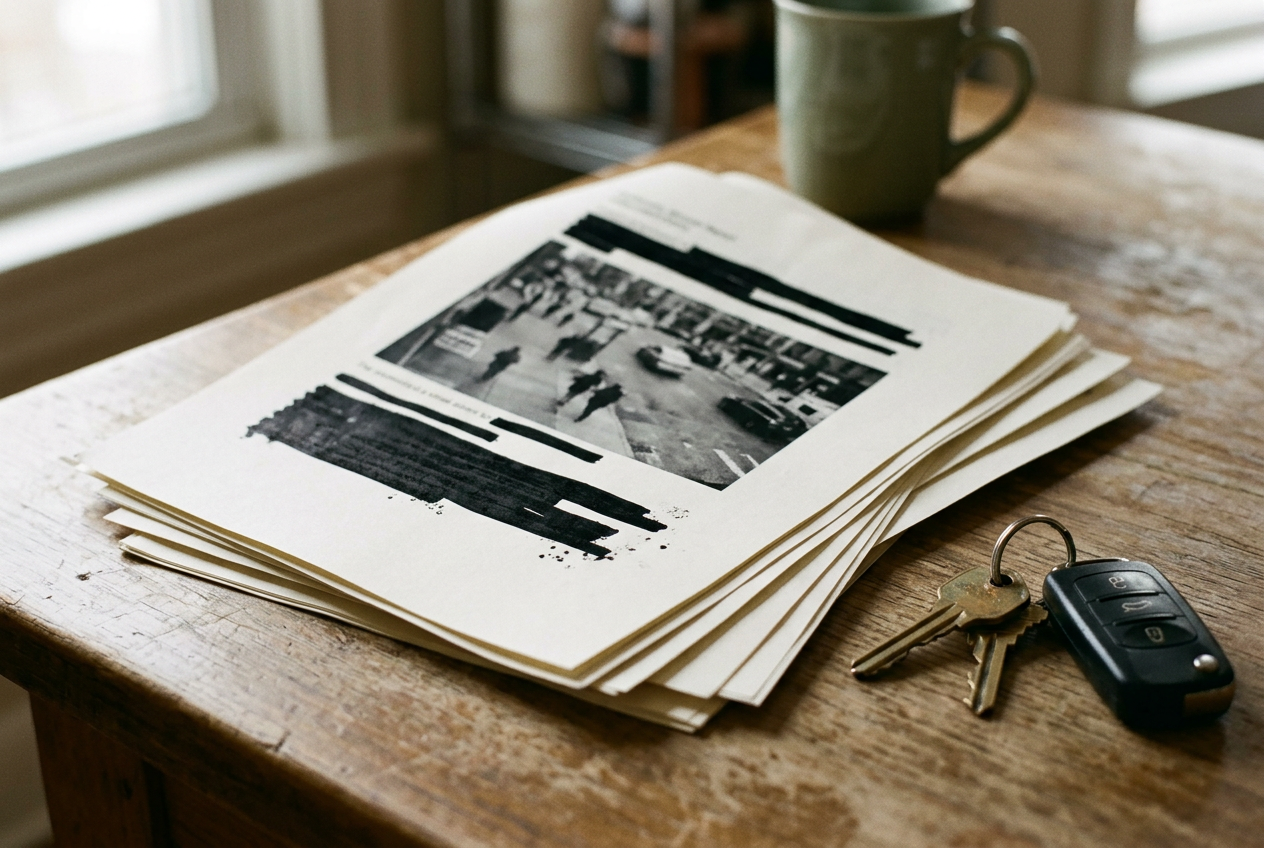
Then an 18-page activity report appeared among the documents exchanged in a custody dispute.
The report covered ten weeks. Near the front was a computer-generated summary saying Mara’s sister had been “likely present overnight” on 31 nights. Below that sat a calendar view with shaded blocks for each inferred stay. The phrase did not come from Mara, her sister or anyone who had seen the home.
It came from the lock platform’s home-activity model.
The other parent’s attorney used the count to argue that another adult regularly lived in Mara’s house. That mattered because the parents disagreed about sleeping arrangements, supervision and how accurately each household had been described during the case. The report seemed more neutral than either parent’s account. It had dates, device events and a conclusion produced by software.
Mara knew her sister had slept there six nights during that period.
What the lock had inferred
The lock did not have a camera. It did not identify bodies moving through the doorway, and it could not track someone once the door closed. Instead, the platform combined ordinary access signals: which code unlocked the door, whether the door sensor registered an opening, and whether another event appeared later that evening or the next morning.
Its activity feature grouped those events into probable visits. When a person’s code appeared in the evening and the system recorded no matching departure before another event the following morning, the model could classify the gap as likely overnight presence. Repeated gaps became a routine, which moved the person from an occasional visitor category toward a household-pattern category.
This kind of system is different from a simple chronological log. A log might say that a code unlocked the front door on Monday evening and again Tuesday morning. The model joined those entries into a claim about what happened between them. It turned two recorded actions and a missing event into a continuous stay.
The missing event was the problem.
Mara’s sister often arrived through the front door, helped prepare food and left through the attached garage after Mara’s father brought back the car. The smart lock covered only the front entrance. There was no connected sensor on the garage exit, so the platform did not register her departure. When she returned through the front door the next morning, her code completed a pattern the model associated with an overnight visit.
On other days, Mara opened the door remotely after her sister texted that her hands were full. Those unlocks were recorded under Mara’s account rather than her sister’s code. Once inside, the sister sometimes used her own code later. The record could therefore assign different parts of one visit to different people.
A shared code would have created another ambiguity, although Mara had mostly avoided that. Access credentials usually identify the credential, not the human hand entering it. A code can be passed to someone else. A phone credential can open a door remotely.
A manual lock event may show that the door was secured without showing who turned it.
None of those limitations appeared beside the 31-night total in the 18-page report.
A prediction that looked like a record
The platform kept the underlying events separate from the generated activity summary, but the export placed them in the same document. Sensor entries occupied most of the pages. The inferred calendar came first.
That order changed how the report was read. A dated unlock is a record of something the device detected. “Likely present overnight” is a prediction about events the device did not directly observe. Both were printed in the same typeface, under the same account heading, with no plain explanation of how the model handled an unmonitored exit.
Mara had seen the activity feature in the app before. She treated it as a convenience, useful for noticing whether a care worker had arrived or whether her father’s visits were becoming more frequent. She had not understood that the platform retained the inferred sessions or that they could be exported with the underlying history.
The system had been useful precisely because it compressed small events into a readable account of the household. That compression became risky when a legal argument treated the summary as measurement rather than estimation.
During the dispute, Mara’s attorney compared the shaded overnight blocks with messages, her sister’s work calendar and garage access records. The comparison did not establish where every person had been on every night. It did show that many of the model’s overnight classifications followed the same pattern: a front-door entry, no front-door departure and another entry the next morning.
The company’s general documentation said its activity features estimated household routines from device data. It did not disclose enough detail to reproduce each classification from the exported events, and it did not state how much evidence the system required before labeling a gap as an overnight stay. Whether the model learned from aggregated user behavior, relied on fixed rules or combined both was not clear from the material available in the case.
That distinction matters. A rule might classify any evening-to-morning gap as overnight presence. A learned model might weigh timing, repetition and the identity attached to a code. Both can produce a confident-looking label from incomplete coverage of a home, because neither can observe an exit through a door that has no sensor.
What remained in the case
The 31-night number was challenged during the custody process. The parents eventually agreed that the generated summary could not stand by itself as a count of nights spent in the home. The underlying access events remained part of the record and could still be discussed alongside other evidence.
That was not a ruling that smart lock data is always reliable or always inadmissible. Courts and custody processes handle digital records differently, depending on how the material is authenticated, what claim it is being used to support and whether someone can explain the system that produced it. This account describes one composite experience, not legal advice.
Mara kept the lock.
She still needed to coordinate care, and separate credentials remained safer than spare keys passed among relatives and short-term workers. She turned off the feature that grouped activity into visits, shortened the retention period available in her account and began downloading only the basic event history when she needed to check an arrival.
The change did not erase the old report. A copy remained with the case materials, including its calendar of 31 shaded blocks. Mara also kept her own copy because it documented the claim she had needed to answer.
Months later, she opened the app after her father left the house. The screen showed that his code had unlocked the front door and that the door had closed. It did not say where he went next.
Questions people ask
Can a smart lock tell whether someone stayed overnight?
A smart lock can record credentials, lock actions and door-sensor events. Some platforms use those signals to estimate visits or overnight presence, but they do not directly observe a person inside the home. Unmonitored exits, remote unlocks and credentials used by another person can make the estimate wrong.
Why did the report count visits as overnight stays?
The system paired an evening entry with activity the following morning because it saw no front-door departure between them. Mara’s sister had often left through the garage, which the platform could not monitor. The model treated missing door data as evidence that the visit continued.
Can smart lock history be used in a custody dispute?
Digital access records can be introduced during legal disputes, but their role depends on the process and the claim attached to them. In this composite case, the underlying events remained relevant while the parties agreed that the generated overnight summary was not, by itself, a reliable count.
Is the raw entry log more reliable than the AI summary?
The raw log is narrower. It records what the device detected without proving who crossed the doorway or how long anyone remained. Mara’s export showed a code unlocking the front door; the stronger claim appeared on the earlier page, where the system had shaded 31 calendar blocks.
One story a day
The story of the day, in your inbox
One real story about AI each morning — no hype, no alarm, just company for the road.