A School Tablet Recorded a Farmworker Family After Class
A loaned tablet captured short video clips in employer-provided housing after homework ended. A caregiver’s notebook helped the district confirm that classroom monitoring had stayed active.
August 9, 2026 · 8 min read
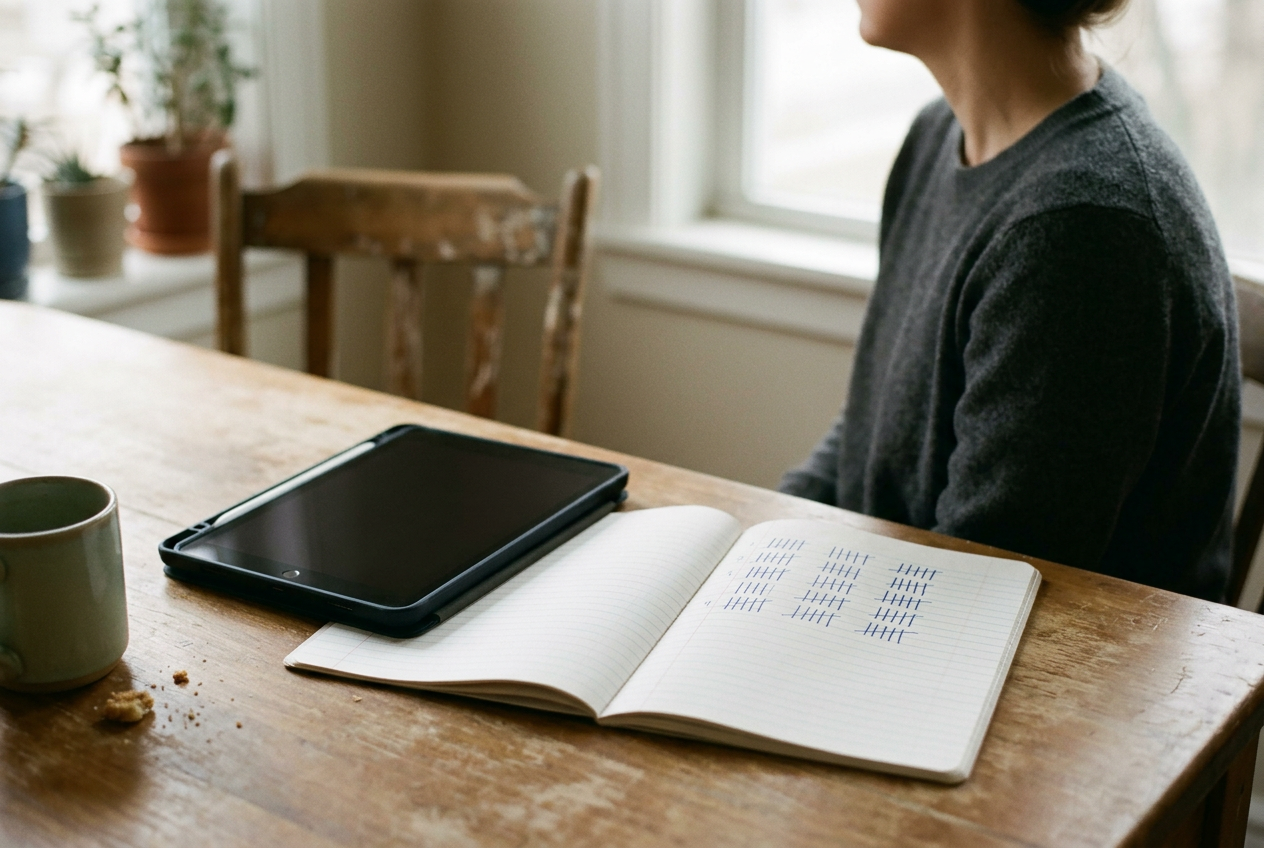
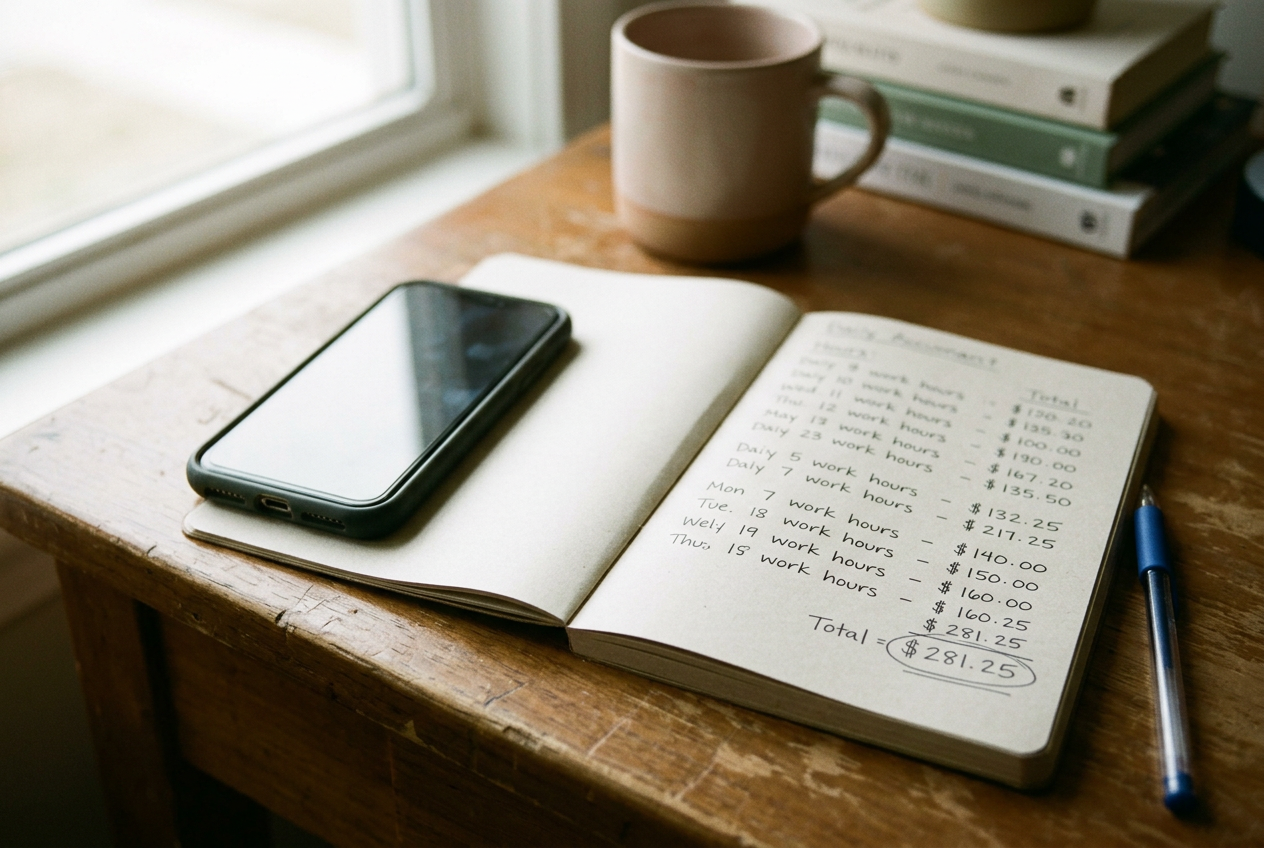
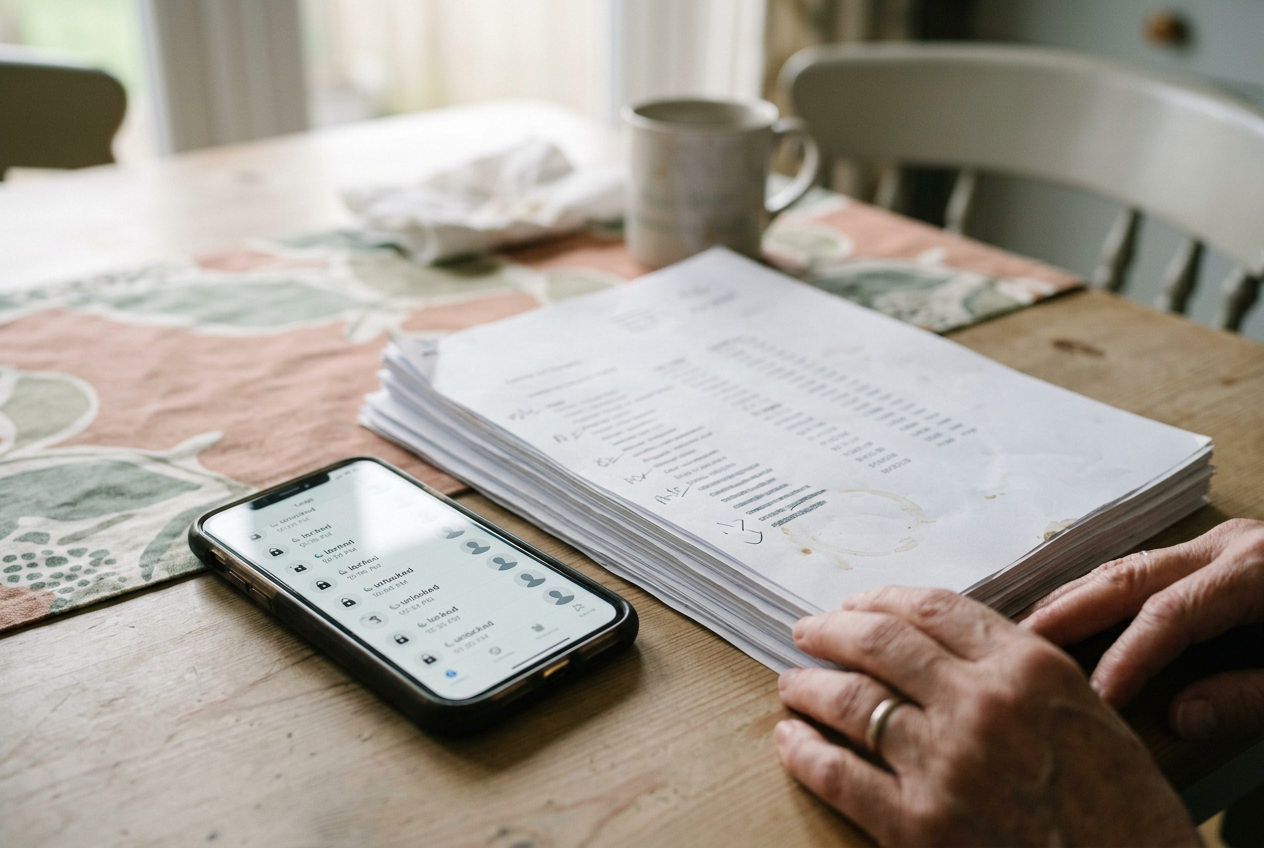
Elena kept the notebook beside a bag of school papers in the family’s kitchen. She started it in September 2023, after noticing the camera light on her daughter’s loaned tablet while the child was no longer doing homework.
The first entry was one sentence. The tablet had been closed and reopened after dinner, and the light came on even though no video lesson was underway. Elena drew a mark beside the sentence.
Over the next six weeks, the notebook collected 14 marks.
Elena, her husband, and their children lived in employer-provided housing near the fields where both parents worked during the harvest. The kitchen table was used for meals and schoolwork. The sleeping area was close enough that a tablet propped on the table could show most of the shared space behind the child.
The arrangement left little room to move off camera. A parent changing after work might cross the background. A younger child could walk past in pajamas. Family conversations took place within reach of the tablet’s microphone, although the district later said it found no evidence that audio had been saved.
The family had accepted the device because their daughter needed it. Assignments were posted through the school platform, and some lessons required an application that teachers used to view student activity during class. Elena understood that a teacher might see the child’s screen at school. She did not understand that a classroom session could remain active in the home.
Her daughter did not understand it either.
The notebook
At first, Elena wondered whether the light meant the device was updating. She had used phones but not a school-managed tablet, and the small privacy notice sent home with the device said that activity could be monitored for learning and safety. It did not explain what the camera light meant after class.
She began writing down what had happened just before each appearance of the light. Sometimes her daughter had finished an assignment and left the tablet open. On other evenings, the child had returned to check whether a teacher had posted new work. One entry noted that the camera indicator stayed on after the learning application appeared to be closed.
The notebook changed the family’s behavior before it changed the school’s response. Elena began placing the tablet face down when it was not in use. Homework moved toward a wall, which narrowed the background but made it harder for the children to share the table. Her daughter started asking whether she was still visible after submitting an assignment.
That uncertainty followed her into school. She became reluctant to open the camera for class activities, including ones where participation affected her work. A teacher saw hesitation. The teacher did not initially know why.
Elena contacted the school through the general office and asked whether the tablet could record at home. She received an explanation that school devices were managed and that teachers could monitor activity connected to instruction. The response did not say whether any image from her home had been stored.
She asked for the district’s data policy in Spanish. What arrived first was an English policy filled with terms about educational use, service providers, retention, and authorized access, but it did not connect those categories to the light Elena had watched come on at her kitchen table.
Her husband tried translating parts of the document on his phone after work. They could identify statements saying that data might be collected and shared with vendors that operated school systems. They could not tell which data the tablet had collected from their home, how long it remained available, or whether a teacher had opened it.
The gap mattered because their housing came with the job. The school district did not control the property, and the family found no evidence that the employer had access to the tablet or its recordings, but Elena still feared drawing attention to the household. Losing work could also mean losing the place where the children slept.
She kept making marks in the notebook.
What the records showed
After repeated requests, the district reviewed the tablet’s activity history. Its staff found that a classroom monitoring function had remained active beyond the intended lesson period. The function created short camera clips when the child reopened part of the learning platform at home.
The district matched 11 clips to the six-week period covered by Elena’s notebook. Some showed the child at the table. Others included movement in the shared room behind her. The district said it found no indication that an employee had deliberately turned on the camera from outside the home, and it found no evidence that the clips had been sent to the employer or posted publicly.
Those limits were important. They did not make the recording harmless.
The district described the cause as a configuration problem involving a classroom session that had not ended as expected. In plain terms, the software continued doing at home what it was allowed to do during a lesson. The device recognized the student account and resumed the session; the child saw her assignment, while the monitoring function also resumed in the background.
That distinction was almost impossible for the family to see. The tablet did not present a separate, plain-language notice saying that a camera recording had started. There was a light, but neither the take-home instructions nor the first response from the school explained it.
School monitoring systems can collect different kinds of information depending on how a district configures them. Some show a student’s screen to a teacher. Some record web activity. Camera access is a separate permission, yet all of these functions can sit behind the same school login, which makes the practical boundary between class supervision and home surveillance difficult for a child to recognize.
The district told Elena that access to the clips was restricted to authorized school workers and the platform provider. It also said the clips would be removed under its retention process. Elena received no list showing every person who had viewed them, and she never learned whether such a complete viewing history existed.
A Spanish version of the policy arrived later. It was easier for the family to read, but it still described categories rather than the specific event. The document explained that school technology could collect images for educational purposes. It did not tell Elena why 11 clips from her home had been created after lessons, which setting had allowed it, or why her first request had not produced that answer.
The notebook remained clearer. Fourteen marks meant Elena had seen the light more often than the district could match to saved clips. The difference was never resolved. A light can indicate camera access without proving that a file was stored, and the available activity history did not settle every entry.
Learning under watch
The district changed the device setting and checked other tablets assigned through the same program. It also gave the family a replacement device while staff examined the original one. The family was told that the confirmed clips had been deleted.
Elena’s daughter still needed a school tablet. Returning it without another way to reach assignments would have cut her off from work that classmates could complete at home, so the family faced a choice that was narrower than the paperwork suggested: keep using managed technology or accept a learning penalty.
For about two months, the child covered the camera unless a teacher specifically asked students to appear on screen. She completed written assignments but avoided optional video activities. Her caregiver explained the situation to the teacher, who allowed her to participate without video while the district reviewed the device.
The accommodation reduced one immediate pressure. It did not restore the child’s earlier ease with the tablet. She checked the camera light repeatedly and sometimes closed an assignment before confirming that it had uploaded, which led to missing work that had to be submitted again.
Elena’s notebook then shifted from camera incidents to school effects. She noted two assignments that needed resubmission and a week when her daughter refused a video activity. Those entries did not prove that monitoring caused every difficulty, but they showed how a privacy failure entered the child’s routine long after the setting was changed.
The district later revised the notice sent home with loaned devices. According to the family, the new version stated more directly that school-managed software could monitor activity and that camera indicators should be reported if they appeared unexpectedly. The family was not told how many other households received devices with the same configuration or whether any other after-school clips had been found.
Elena kept the original notebook. The tablet was school property and the district controlled the system logs, but the 14 marks were hers.
Questions people ask
Can a school tablet keep monitoring a child after class?
It can happen if a classroom session remains active, a managed application resumes in the background, or device settings permit monitoring outside the intended lesson. In this case, the district confirmed that a configuration problem created 11 short camera clips at home, though the family found no evidence that someone deliberately activated the camera remotely.
Does a camera light prove that a recording was saved?
No. A light can show that the camera is being accessed, but it does not establish that a clip was stored or viewed. Elena logged 14 appearances of the light, while the district matched 11 saved clips to the same period. The remaining marks could not be resolved from the records available to the family.
Why was the district’s privacy policy hard for the parents to use?
The first copy was in English and described broad data categories rather than the event inside the home. Even after a Spanish version arrived, it did not identify which setting created the clips, who had viewed each one, or why monitoring resumed after class. The family’s practical questions required a review of device logs, not another general policy.
Could the family stop using the school device?
They could return school property, but the child still needed the platform to receive and submit assignments. During the review, the school provided another device and allowed participation without video. Elena continued tracking the impact in her notebook, ending with two assignments that her daughter had to submit again.
One story a day
The story of the day, in your inbox
One real story about AI each morning — no hype, no alarm, just company for the road.