A Copywriter Went From Two Daily Drafts to Eight AI Reviews
Her title and $68,000 salary stayed the same. A spreadsheet showed that reviewing machine-written copy meant more output, more corrections, and less room to write.
August 9, 2026 · 7 min read
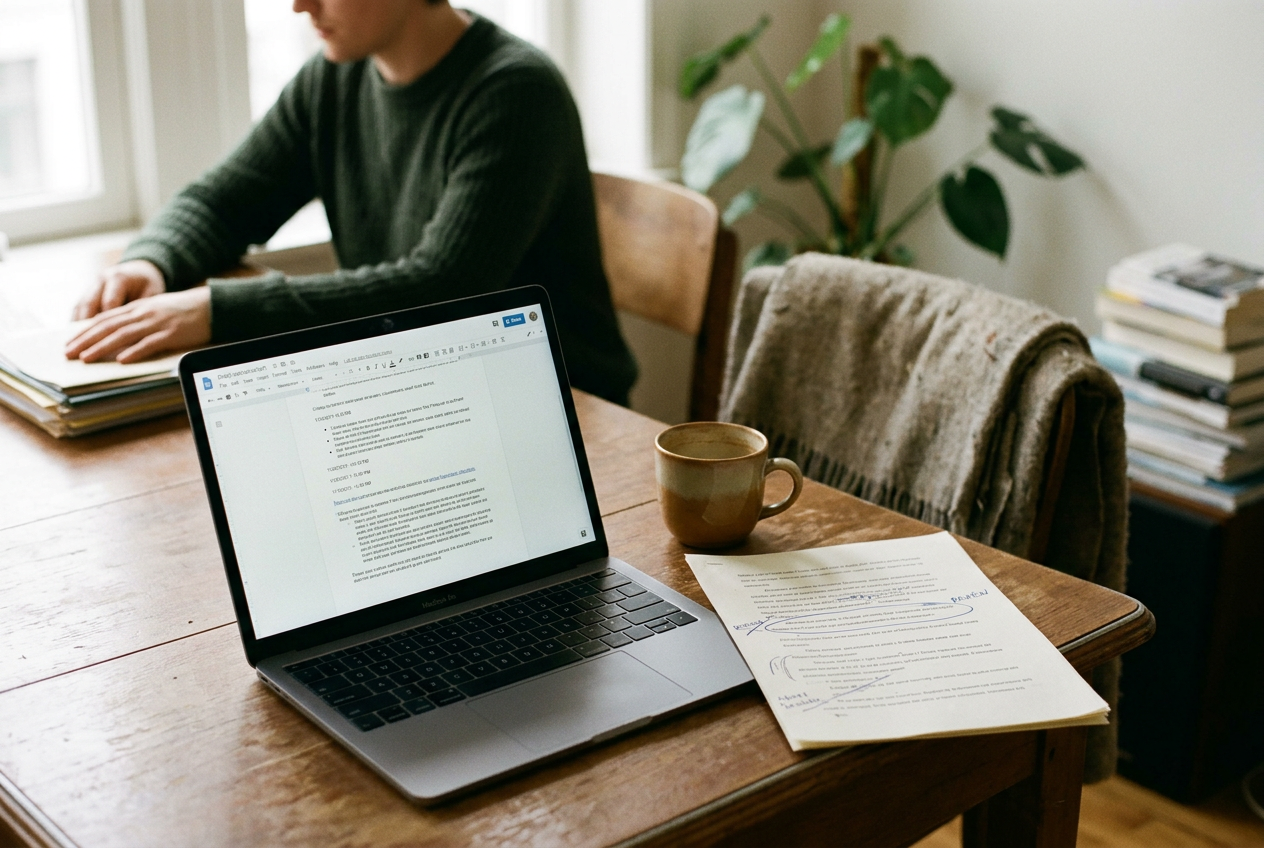
The spreadsheet began with a product description that claimed a storage container could go in the freezer. The source material said nothing about freezing.
The copywriter marked the cell yellow and added five words: “Feature not in source document.” Then she returned to the draft, removed the sentence, checked the rest against the product sheet, and rewrote the opening because it made the same claim in softer language.
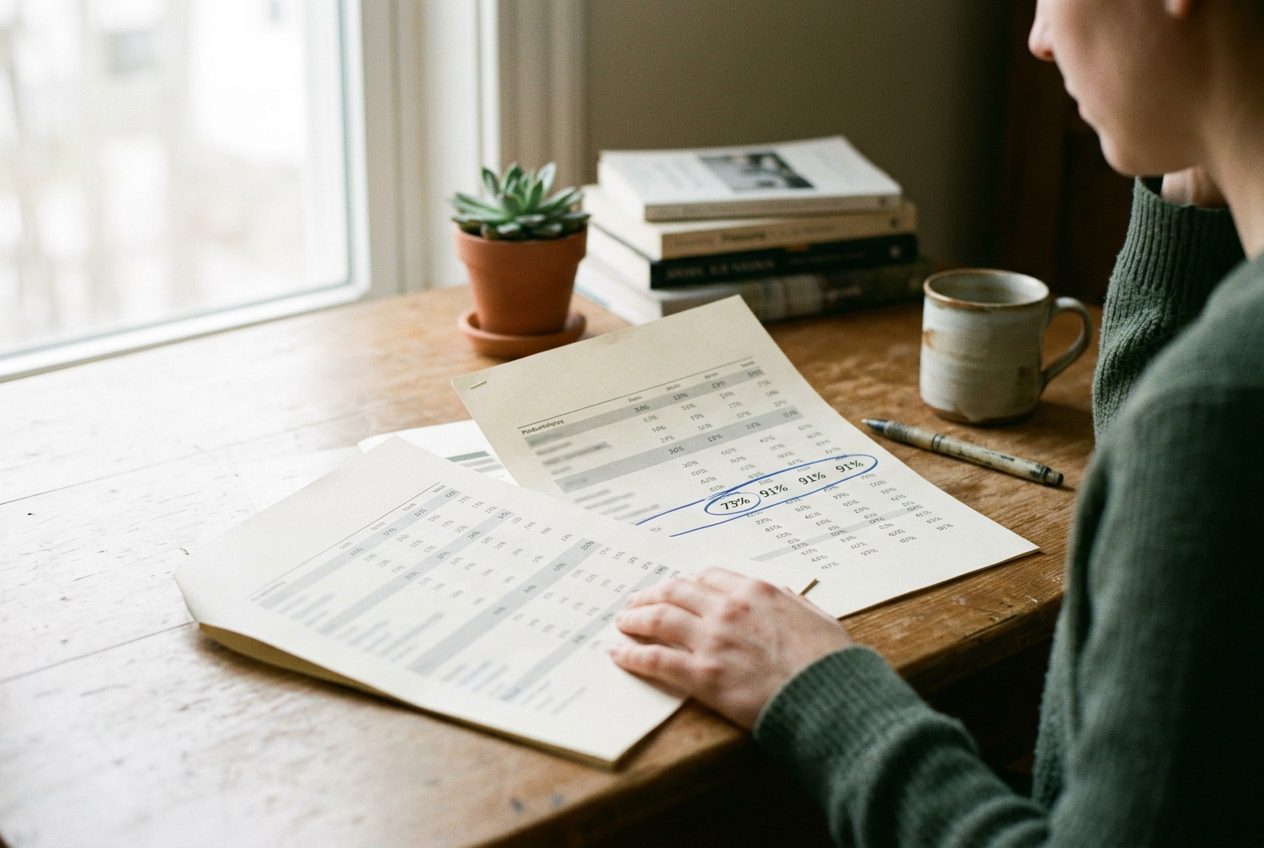
By then, she had been using the spreadsheet for three weeks. Each assignment occupied one row. A column recorded unsupported claims, while another tracked whether she had corrected a few lines or replaced most of the draft. She kept it on her own computer because the company’s workflow showed when copy entered review and when she submitted it, but not what happened between those points.
Her job title was copywriter. Her salary was $68,000. Neither changed when the company added a text-generating system in April 2023.
The work changed within a month.
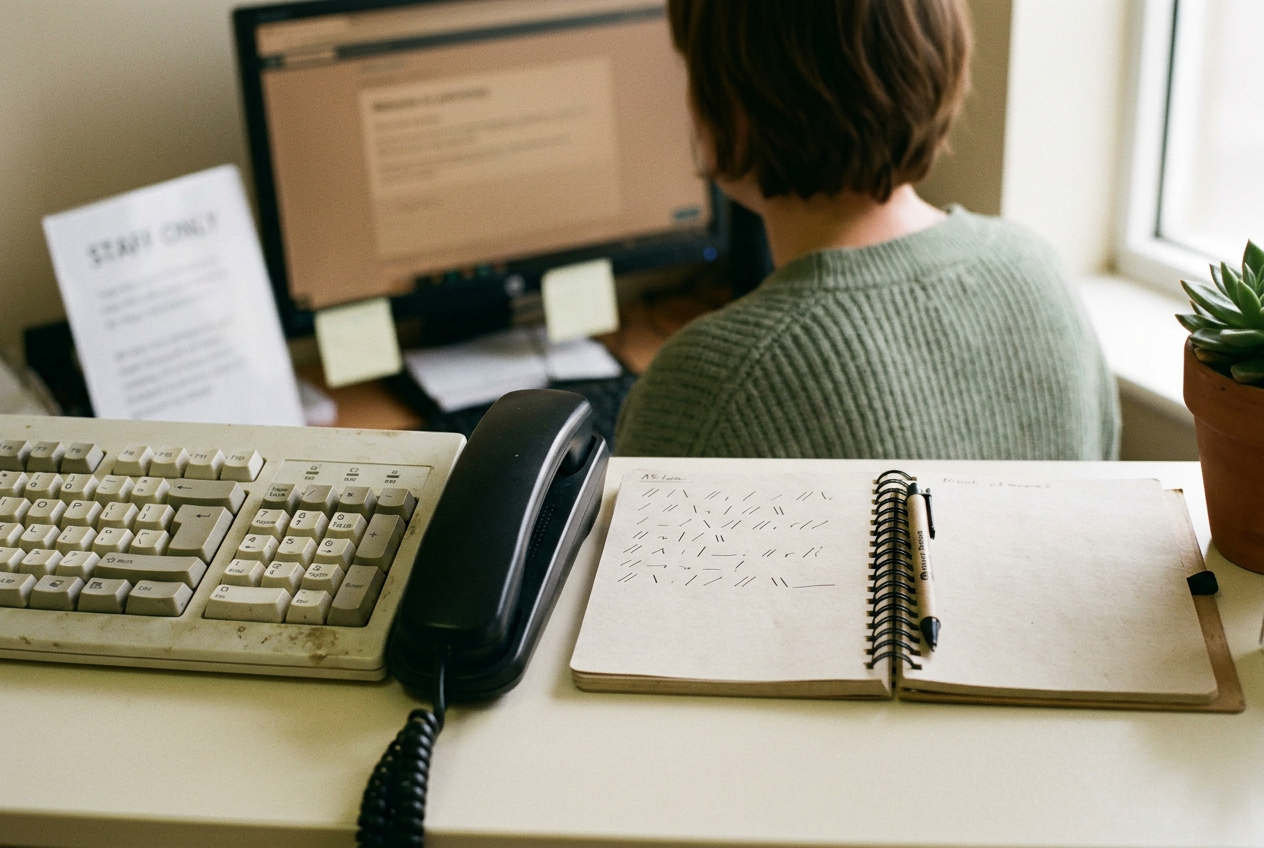
Before the system arrived, she usually wrote two drafts a day for retail clients. Some were product pages. Others were emails or short articles tied to a sale. She received a brief and source documents, found the useful details, then made choices about structure and emphasis.
A first draft often had gaps, but they were her gaps. She knew where she had made an assumption and where a sentence still needed checking.
The new system produced a draft in less than a minute after someone entered the brief, selected a format, and attached reference material. At first, her manager described it as a way to get past the blank page. The daily target soon moved from two assignments to eight.
She was no longer expected to begin with an empty document. She opened a machine draft and decided what could stay.
A different kind of first draft
The system generated text by predicting which words were likely to come next, based on patterns learned from large amounts of writing and the material supplied with each assignment. It did not hold a product in its hands or understand why one feature mattered more than another. Even when a source document appeared beside the draft, the model could produce a familiar-sounding detail that was absent from that source.
That was how the freezer claim appeared. Storage containers are often described as freezer-safe, and the sentence fit the shape of an ordinary product page. The system’s task was to continue language plausibly. It had no separate obligation to prove that every claim came from the attached sheet.
The drafts were fluent enough to make this harder. A broken sentence draws attention. A smooth sentence can carry an invented measurement or suggest that a discount applies to products excluded in the source material, while the paragraph around it sounds finished and gives the reviewer little reason to slow down.
She slowed down anyway.
For each piece, she compared claims with the supplied material, removed repetition, and adjusted the voice. If the prompt requested a warm tone, the system often added broad assurances that could fit almost any client. If it was asked for urgency, it leaned on short commands and claims about limited time, even when the brief did not support them.
A prompt could narrow those habits. It could tell the model to use only supplied facts, avoid certain phrases, or follow a sample. That reduced some problems, but it did not turn the model into a fact checker. On another generation, the wording and errors could change because the system selected a different likely continuation.
She found uses for it. Subject-line variations that once consumed part of an afternoon arrived in batches, and some gave her a useful angle. For routine descriptions with complete source material, she could revise a draft faster than she could write one. Her spreadsheet included rows with no yellow cells.
Those were not the rows she worried about.
Eight drafts on the dashboard
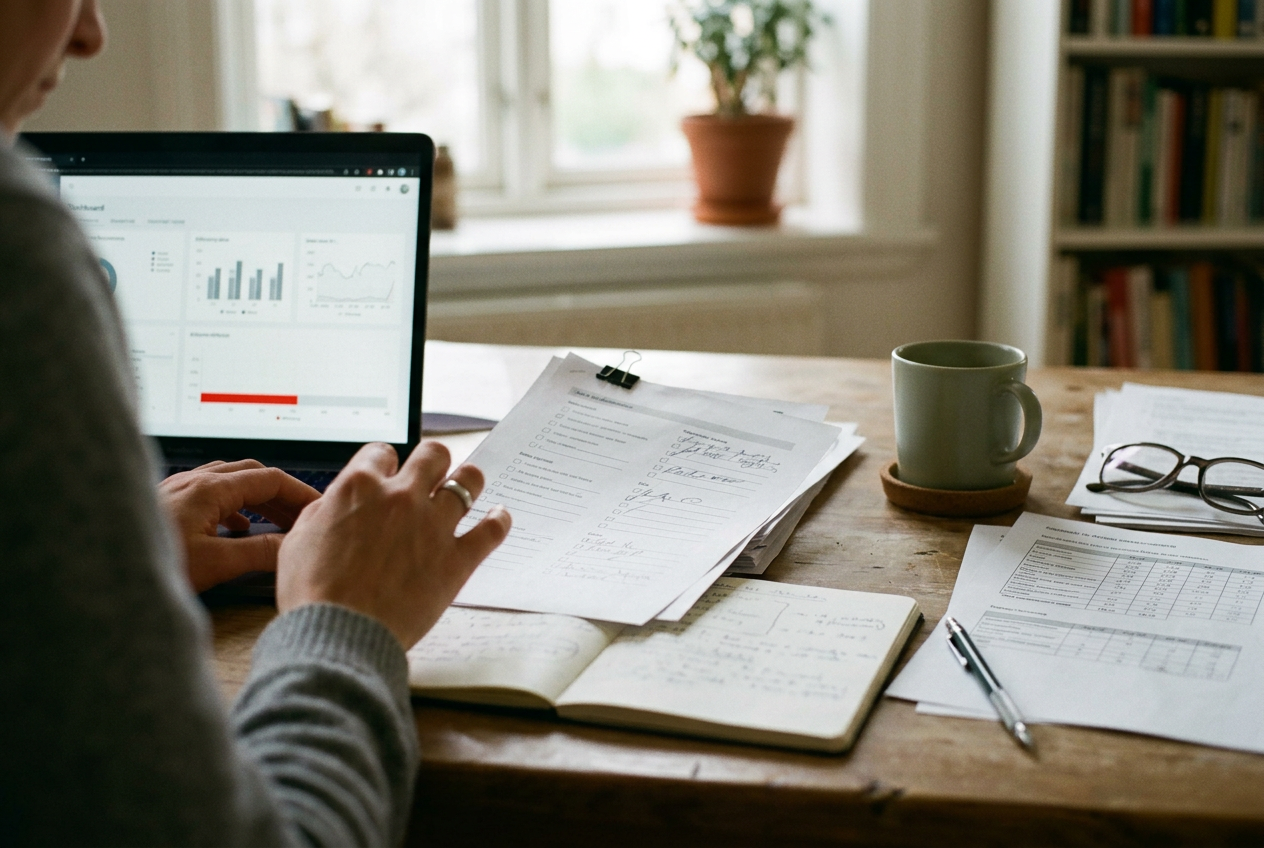
The dashboard counted completed assignments. It did not distinguish between a draft that needed ten changed words and one that had to be rebuilt after the opening rested on an unsupported claim.
During one six-week period, she logged 217 machine drafts in the spreadsheet. She marked 73 for at least one factual claim that she could not trace to the source material. On 41, she replaced more than half the text. The numbers were personal records, not a company audit, but they gave her something firmer than saying the copy felt worse.
Quality had become difficult to discuss because the visible numbers improved. The team moved more assignments through the system, and clients still received copy on schedule. Most errors disappeared before delivery because a copywriter found them. That success concealed the work required to produce it.
The less measurable change was in the writing itself.
She began noticing the same sentence shapes across clients. Products were presented as ways to make a routine easier. Services were described as fitting into a customer’s day. Paragraphs ended by returning to convenience, even when the useful fact was price or durability.
None of those choices was grammatically wrong, and each one could be defended in isolation, but a page assembled from them sounded like other pages generated from similar prompts.
Her spreadsheet had no clean category for that. She tried “voice mismatch,” then stopped using it after the label covered too much. A draft could match the approved tone and still flatten the detail that made the client recognizable.
When she raised this with her manager, the conversation returned to examples that could be counted. Unsupported claims made sense. Large rewrites made sense. The loss of a particular rhythm was harder to place on a dashboard, especially when the text passed spelling checks and met the requested length.
“I used to be responsible for what the sentence said,” she said. “Now I’m also responsible for noticing what eight sentences are pretending to know.”
The pace changed how she read. She searched first for risk: a number, a product capability, or a promise that might need evidence. Once those were resolved, she looked at structure and voice with whatever attention remained. On crowded days, the question was not whether she could make a draft good.
It was how much of the draft she could afford to distrust.
She missed starting from notes. She did not miss every blank page.
What the spreadsheet could show
Four months after she began the log, she brought a summary of it to a review meeting. Her title remained copywriter, although much of her day now resembled quality control for generated text. Her salary remained $68,000. The company had not created a separate standard for evaluating machine drafts or the people assigned to repair them.
The spreadsheet changed one part of the discussion. A yellow cell was not a complaint about style. It pointed to a statement that appeared in generated copy without support in the supplied material. Rows marked as major rewrites showed that a draft could count as machine output even when most of the final language came from her.
The team later added a way to mark an assignment as a substantial rewrite. For copy involving product specifications or claims that could affect a purchase, managers allowed a lower daily target. Routine assignments still arrived in groups of eight.
She also changed her own use of the tool. When the source was thin, she sometimes deleted the generated draft and wrote from the brief rather than spend the next hour testing sentences that sounded plausible. When the task called for variations built from settled facts, she kept the machine output and selected what worked.
That distinction never appeared in her title. It did appear near the bottom of the spreadsheet, where one week contained six rows labeled “human draft” and 29 labeled “machine review.” Three of the machine rows were yellow.
Questions people ask
Why can editing an AI draft take longer than writing one?
A fluent draft asks the editor to verify claims they did not choose and cannot recognize from memory. In this story, the copywriter sometimes had to trace each sentence to source material before rewriting the structure. Starting from her own notes was faster when the generated draft contained a plausible but unsupported premise.
Can a writing model check its own facts?
The system could compare text with attached material when prompted, but its response was still generated language rather than an independent guarantee. It sometimes repeated the unsupported claim or replaced it with a different one. The copywriter treated the source document, not the model’s confidence, as the record of what the client had provided.
How did the company measure the extra review work?
At first, it mostly counted completed assignments. The copywriter’s spreadsheet recorded unsupported claims and substantial rewrites, which made hidden review work visible during a meeting. The team later added a rewrite category and lowered targets for some sensitive copy, though routine work still carried the higher volume.
Did AI make the copywriter more productive?
The company received more drafts, and the tool helped with variations and routine copy based on complete source material. Her own result depended on the assignment. Near the bottom of her spreadsheet, 29 machine reviews sat beside six drafts she wrote herself, with yellow cells marking three reviews that contained unsupported claims.
One story a day
The story of the day, in your inbox
One real story about AI each morning — no hype, no alarm, just company for the road.