A Camera Flagged a Student for Looking Away. His Teacher Disagreed
A nine-year-old’s weekly report showed 17 disengagement flags. His teacher found the camera was treating a habit of looking away while thinking as proof that he had stopped listening.
August 9, 2026 · 7 min read

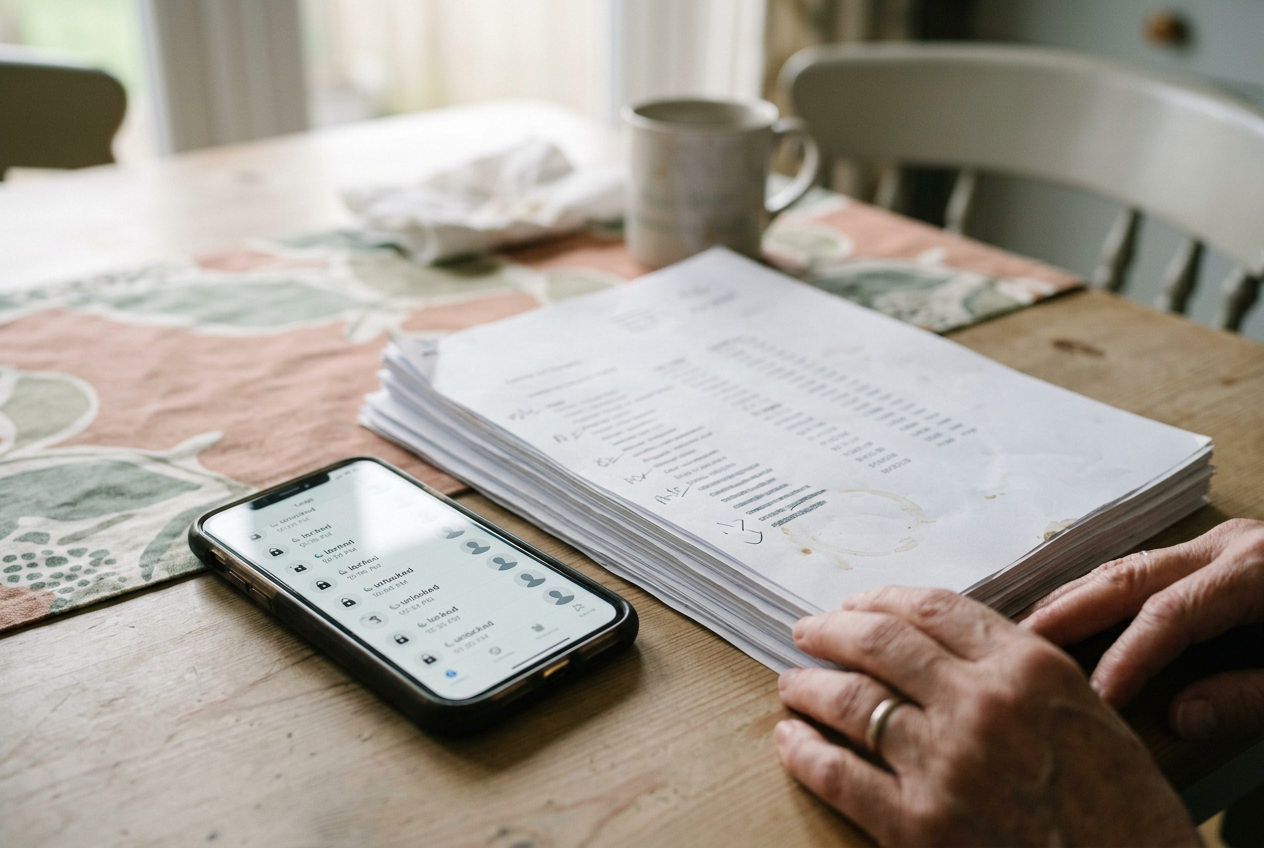
The four-page report arrived home in October 2023, folded behind a reading worksheet. It covered five weeks in a nine-year-old’s elementary classroom and showed 17 periods marked Disengaged. Beside 14 of those marks, the reason was the same: Gaze away.
His mother read it at the kitchen table. She knew he looked away during conversations, particularly when he was working through a new idea. He might face the window or lower his eyes toward his hands, then return with an answer. Teachers had noticed the habit since kindergarten.
Nobody had previously described it as a learning problem.
The report made a stronger claim. A column titled Engagement converted the camera’s observations into a judgment about his internal state, and the repeated marks made that judgment look settled rather than provisional. There was no confidence score on the pages and no indication of how long a child had to look away before the label appeared.
His mother asked him about the lessons listed on the report. He remembered the material. During one reading lesson marked disengaged, he could explain why the main character had changed his mind. During another, he had completed the assigned paragraph and received a positive note from his teacher.
The visible behavior was real. The inference attached to it was already in doubt.
The child had noticed the camera before the report came home. He understood that it was tracking whether students appeared attentive, though he did not know how it worked. After being redirected several times while looking toward the side of the classroom, he began trying to keep his face pointed forward.
That effort took attention of its own. He told his mother that he sometimes missed part of an explanation while checking whether his eyes were in the right place, and his teacher later noticed that he raised his hand less often during lessons when the detector was active. The system had been introduced as a way to identify children who needed support. For him, being watched changed the behavior it was supposed to measure.
What the camera measured
The classroom tool analyzed a video feed and estimated visible features such as head position and gaze direction. It then placed parts of a lesson into categories that included engaged and disengaged. The teacher could see class-level summaries, while individual reports were available through the school dashboard.
That process did not directly measure understanding. It did not know whether the child was following an explanation, recalling a word or listening while his eyes rested elsewhere. It detected a physical pattern and assigned meaning to it according to rules set by the system.
The school had not given families those rules. The general notice sent at the start of the semester said camera analysis would help staff understand participation, but it did not explain the gaze threshold or how the engagement category had been tested with elementary students. It also did not distinguish a prompt for a teacher from a conclusion that might remain in a student record.
After the report came home, his mother asked the school what the label meant and where the underlying images went. An administrator said the teacher did not receive stored video and that the platform processed the feed during lessons, keeping summary information for the semester. The school could not immediately confirm whether temporary images existed elsewhere in the system, whether backups contained the scores, or whether any data could be used to improve the detector.
Those gaps mattered because the report concerned a child, and because the school had required students to sit within view of the camera during the lessons. A family could see the final classification without being able to inspect the steps that produced it. Even the teacher, who knew what was happening in the room, had no way to open a flag and see why looking away had crossed the system’s threshold.
Gaze can be associated with attention in some settings, but the relationship is not fixed. Children look away while thinking, listening or reducing distraction. Eye behavior can also vary among children with disabilities, anxiety or different communication habits. None of those possibilities proves what this child was doing.
They show why gaze alone could not settle it.
His mother did not argue that every flag was wrong. A few appeared during work he had left unfinished, and the teacher agreed that he had lost focus at points. The objection was narrower: the same label covered moments when he understood the lesson and moments when he did not, yet the report offered no way to tell them apart.
His teacher checked the report against his work
The teacher had first treated the dashboard as an extra signal. When it marked the boy disengaged, she sometimes called his attention back to the front, although he had not been disruptive and often had his materials open. She changed course after his mother brought in the four-page report and placed it beside his completed assignments.
For the next two weeks, the teacher noted what was happening around new gaze flags. She used the margins of the same report rather than creating a separate tracking system. Beside one mark, she wrote that he had looked toward the window while listening, then answered correctly. Another appeared while he was reading from a page below the camera’s expected line.
A third matched a period when he had stopped working.
This was not a scientific test. The teacher knew the labels in advance, and two weeks could not establish how the tool performed across a school. Her notes did establish something more immediate: in this classroom, the category was too broad to describe one child’s attention reliably, and acting on it had interrupted him during lessons he was following.
The annotated report changed the discussion with the school. Seventeen marks had initially looked like 17 separate pieces of evidence. Once the teacher added classroom context, the repeated Gaze away reason showed that many of the marks came from one assumption being applied again and again.
At a meeting later that fall, his mother set the report on the table and asked that the automated labels stop being used for him. The teacher supported the request. School administrators said the scores were not part of his grades, but acknowledged that staff could use them when deciding which students might need an academic or behavioral check-in.
That distinction offered little comfort to his mother. A score can shape how adults interpret a child even when it never appears on a report card, particularly if the same child is repeatedly singled out and the observer assumes the camera has detected something a person missed. The teacher had already redirected him based partly on the dashboard. The effect was small, but it was real.
The school paused the detector for the entire class while it reviewed the pilot. The ordinary classroom camera remained available for video lessons, but the automated engagement categories disappeared from the teacher’s dashboard. Within a week, the boy stopped asking whether he was facing the right direction. His hand began going up more often again.
The record did not explain itself
Eight weeks after the first report reached the kitchen table, the school confirmed that the engagement summaries had been removed from the child’s active school profile. It also sent families a revised description of the pilot, including the fact that gaze direction had contributed to the categories.
Some questions remained open. The school did not provide an independent record showing whether every copy held by the platform had been deleted. It did not produce evidence that the detector had been validated for children who avoid eye contact, and it never established how many other students had received similar labels without a parent seeing an individual report.
His mother kept the four pages. The teacher’s notes remained in the margins, next to the system’s uniform marks, so that Gaze away no longer stood alone as an explanation for what had happened during those lessons.
Questions people ask
Can a camera tell whether a student is paying attention?
A camera can detect visible signals such as estimated gaze or head position. Attention itself is an internal state. In this story, the tool sometimes identified real lapses, but it also labeled the child disengaged while he listened, thought or read below the camera’s expected line.
What changed after the parent and teacher challenged the flags?
The teacher checked the labels against the child’s answers and completed work for two weeks. Her notes showed that one category covered different situations. The school then paused automated engagement detection for the class and removed the summaries from the child’s active profile.
What did the family learn about the child’s privacy?
The school said teachers received scores rather than stored video and that summary data remained for the semester. It could not initially explain whether temporary images, backups or other copies existed. The family received a clearer description of the analysis later, but not independent proof covering every copy of the data.
Did the report affect the student even though it was not graded?
Yes. His teacher sometimes redirected him after a flag, and he spent part of lessons trying to keep his face pointed toward the camera. After the detector was paused, he participated more freely. His mother filed the four-page report, with the teacher’s notes still in its margins, beside his report cards.
One story a day
The story of the day, in your inbox
One real story about AI each morning — no hype, no alarm, just company for the road.