Their AI Remix Earned $18,420. They Couldn’t Agree Who Made It
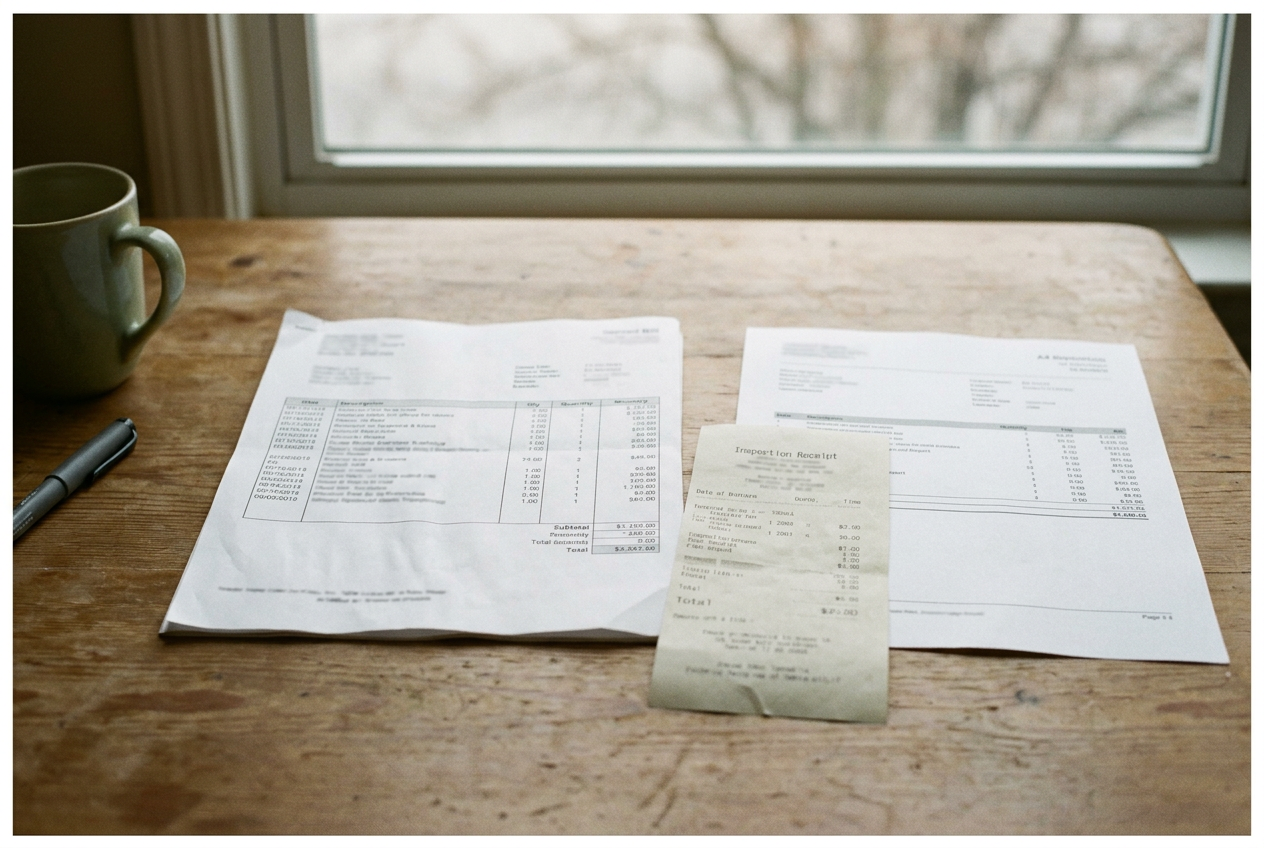
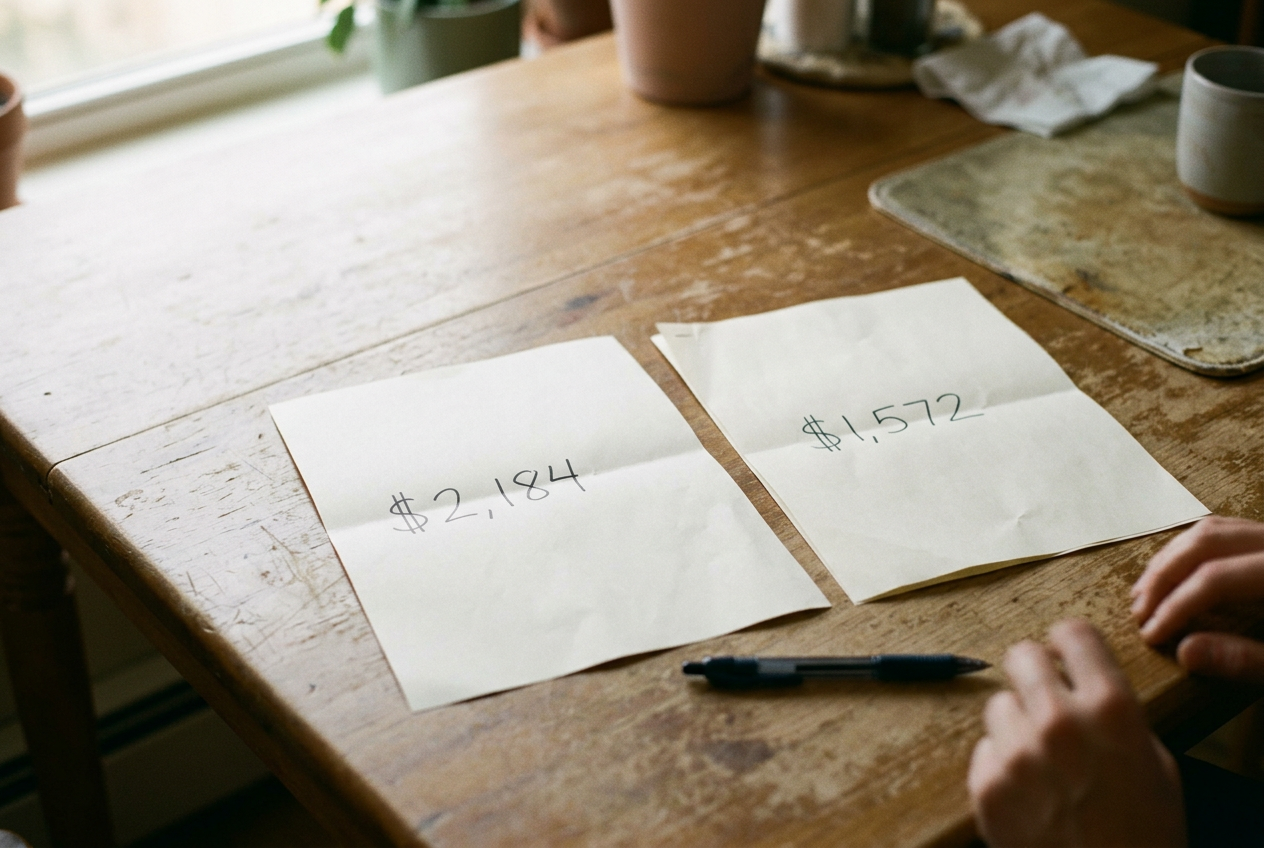
Four musicians turned one song into an AI-assisted remix. The track brought in $18,420, but their old agreement had no answer for who made the generated parts.
October 30, 2026 · 7 min read
The first deposit was $6,880.
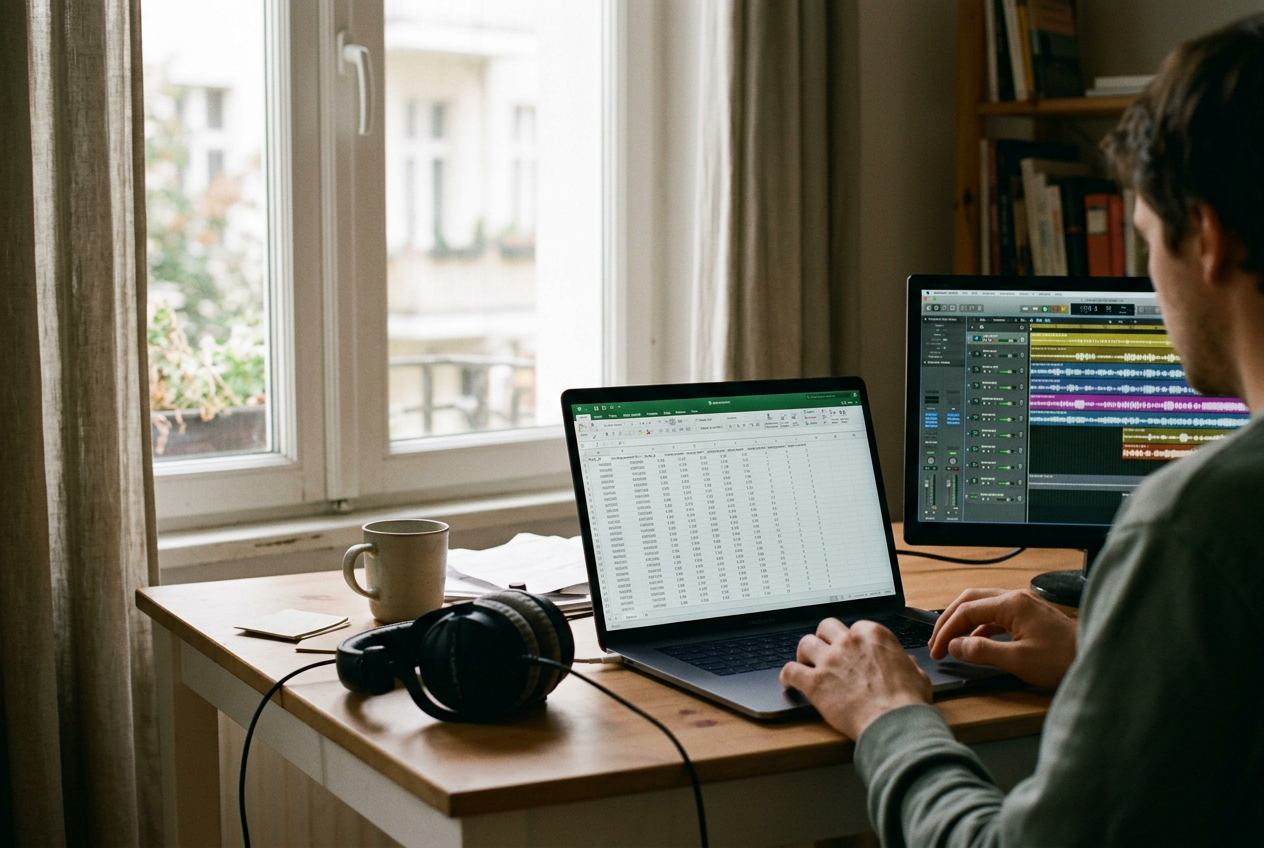
Nia, the singer and songwriter, copied the amount from her distributor’s dashboard into a spreadsheet. She added the fee, the amount available to withdraw and four empty columns for the people who had worked on the remix.
Those columns stayed empty.
The group had released music together for three years. Devon had produced Nia’s original recording. Luis handled live drums and bass. Casey edited vocals and mixed finished tracks.
Their one-page agreement said Nia received half of the master income from a remix and the remixer received the other half.
That wording had been enough when one person opened a session, rearranged the song and delivered a new master. The new remix did not have one remixer.
Luis supplied isolated drum and bass recordings from the original session. Nia supplied her vocal stem. Devon wrote prompts and fed short sections of the recording into a generative music tool, asking it to extend the groove and change the pace without changing the key. Casey sorted the results, cut usable passages into the session and rebuilt the arrangement around them.
Seven months after release, the distributor’s dashboard showed $18,420 in gross master income. Nia’s spreadsheet showed how much had arrived and how much remained with the distributor. It still did not show who should receive what.
The $6,880 deposit
The four had expected the remix to do about as well as their other releases. That meant a few thousand plays in the first month, followed by smaller numbers. Instead, a short section under Nia’s second verse began appearing in dance and workout videos.
That section did not exist in the original song.
Devon had uploaded an eight-bar excerpt containing Nia’s vocal, Luis’s bass and a basic drum loop. The tool used that audio as a condition, meaning the waveform itself guided the output along with Devon’s written prompt. It returned several continuations with altered percussion and a bass phrase that followed the original harmony without copying Luis’s notes in order.
This was different from typing a description into a text-only music generator. The system had heard their recording. Its output depended on both the uploaded excerpt and the prompt, though it did not produce an itemized account of which sound came from which input.
Devon generated 94 clips over two evenings. Most were discarded. Some lost the key. Others added a thin vocal sound that nobody had requested.
Several had a blurred drum hit where the model appeared to blend the uploaded loop with a generated rhythm.
Casey chose 11 clips. She removed noise, shifted two sections to fit the song and cut individual beats from different outputs. The passage that later spread across short videos was built from four generated clips, Nia’s original vocal and a drum fill Luis had recorded months earlier.
Nobody had pressed a button and received the finished remix.
At first, Devon thought the old agreement covered the situation. He had operated the generator, paid for the subscription and written the prompts. He proposed that Nia take 50% and he take 50% as the remixer, with separate flat payments to Casey and Luis for their work.
Casey rejected that. She had spent six weeks turning Devon’s outputs into a track that could be released, and she believed the generated clips were closer to raw recordings than a completed arrangement. Luis objected for another reason. The model had been conditioned on his playing, and the section driving the track’s popularity retained the timing and harmonic movement of his stem.
Nia entered Devon’s proposal in the spreadsheet. The amounts came to $9,210 for her, $9,210 for Devon and nothing from the master income for the other two after their production fees.
She deleted the figures before saving.
Four kinds of contribution
Prompting felt like authorship to Devon because the useful outputs changed when he changed the instructions. A request for a faster break produced clutter. A prompt that described more space around the vocal gave Casey material she could use. Keeping the same words did not reproduce the same clip, however, because the generator introduced variation with each run.
Devon could document the prompts and uploads. He could not point to a written phrase that caused one particular bass note.
Luis could point to his stem. When they muted it from the uploaded excerpt and ran the prompt again, the results no longer followed his phrasing as closely. Yet the released remix did not contain an untouched eight-bar section of his bass. It contained generated notes shaped by the original recording, followed by Casey’s cuts.
Casey’s work was easier to hear once she played the raw outputs beside the master. One generated clip wandered for 20 seconds. She used less than two seconds of it. Another had the right rhythm but an unusable chord, so she kept a drum transient and removed the rest.
The final structure, including the pause before the section used in videos, came from her session.
Nia’s voice held the recording together. The model had received her vocal stem as conditioning audio, and listeners recognized the remix as her song. Her existing agreement covered the underlying composition and the original master, but it said nothing about melodies or rhythms generated between those sources.
The tool’s terms allowed commercial release under the subscription Devon had paid for. That answered whether the account holder could distribute the output under those terms. It did not decide how four collaborators should divide income among themselves, and it did not label Devon as the sole creator of each generated sound.
The distinction became harder to ignore after the second large payment. Nia added $4,260 to the spreadsheet, then created four proposed splits.
One divided the remixer’s half equally among Devon, Luis and Casey. Another assigned percentages based on hours worked. A third treated the generated passages as a joint production by Devon and Casey, while paying Luis a smaller share for the conditioning stem. The last split divided all master income equally.
Each method made one person’s contribution look incidental.
The money they could not divide
For two months, Nia kept the income in a separate account. She paid the distributor’s fees but made no royalty transfers. Nobody accused her of taking the money. The strain came from the absence of a number they all accepted.
Their group messages, once used for unfinished songs and show plans, narrowed to the spreadsheet. Devon added a column for software expenses. Casey added her editing hours, then removed them after Luis said hours could not measure the value of a stem reused by a model. Nia stopped sending new demos.
“I don’t know whether I’m asking you as my friend or invoicing you,” Casey told her.
They met in Nia’s rehearsal space with a laptop and played the remix in sections. The exercise settled one point. Devon’s prompts alone were not the track. Neither were Casey’s edits, Luis’s stems or Nia’s original song.
The released recording depended on all four, though that did not make equal shares feel accurate to everyone.
They separated the money already covered by earlier agreements from the disputed remix income. Publishing payments tied to Nia’s original song continued under its existing songwriting split. The $18,420 on the distributor dashboard was master income from the new recording, minus the distributor’s fee and several small adjustments.
For that money, they reached a temporary split. Nia received 40%. Devon and Casey each received 25%. Luis received 10%.
Nobody described it as a final account of authorship.
Devon accepted the transfer but kept his own calculation. Casey accepted hers and asked that future generated material be discussed before release. Luis said 10% understated what the system had taken from his recording, then agreed because he wanted the held income distributed.
The spreadsheet changed again. Nia filled the four empty columns for the first $13,815 that had cleared. She left the remaining amount in a separate row marked held while they waited for later adjustments and decided whether the temporary split would continue.
They have worked together once since then. It was an acoustic recording. No stems were uploaded to a generator.
Nia still likes the remix. She likes Casey’s pause before the second verse and the rhythm Devon found after dozens of failed clips. When the generated bass phrase arrives, she can hear Luis’s playing inside it, though none of them can isolate where his performance ends.
Questions people ask
Who counts as the remixer when AI generates part of a track?
In this group, no single person performed the whole role. Devon supplied prompts and selected generation settings, while Casey turned short outputs into the finished arrangement. Luis and Nia supplied the audio that conditioned those outputs. Their earlier agreement assumed one remixer, so it could not assign the generated passages by itself.
Can a music generator show which collaborator created each sound?
The tool could show prompts, uploaded audio and generated clips, but it did not trace each note back to a person. Audio-conditioned generation blended information from the stems with model output, and repeated runs using the same prompt produced different results. The group could document inputs and edits, not a clean chain of ownership for every sound.
Are master royalties the same as songwriting royalties?
They were separate in this story. Existing songwriting payments continued under the collaborators’ earlier composition split, while the disputed $18,420 came from the distributor for the remix recording. Generated melodies could raise another authorship dispute, but the money on Nia’s spreadsheet was master income.
What happened to the royalty money while they disagreed?
Nia kept the remix income apart from her other money and recorded each payment in the spreadsheet. The group later used a temporary percentage split for funds that had cleared, without treating it as a final authorship decision. The unresolved row at the bottom remained marked held: $4,605.
One story a day
The story of the day, in your inbox
One real story about AI each morning — no hype, no alarm, just company for the road.