An AI Turned a Nurse’s Tentative Notes Into Patient Warnings
The tool gave a bedside nurse cleaner drafts and less typing. It also converted uncertainty into fact, leaving her to find every altered meaning before the chart became permanent.
October 4, 2026 · 8 min read
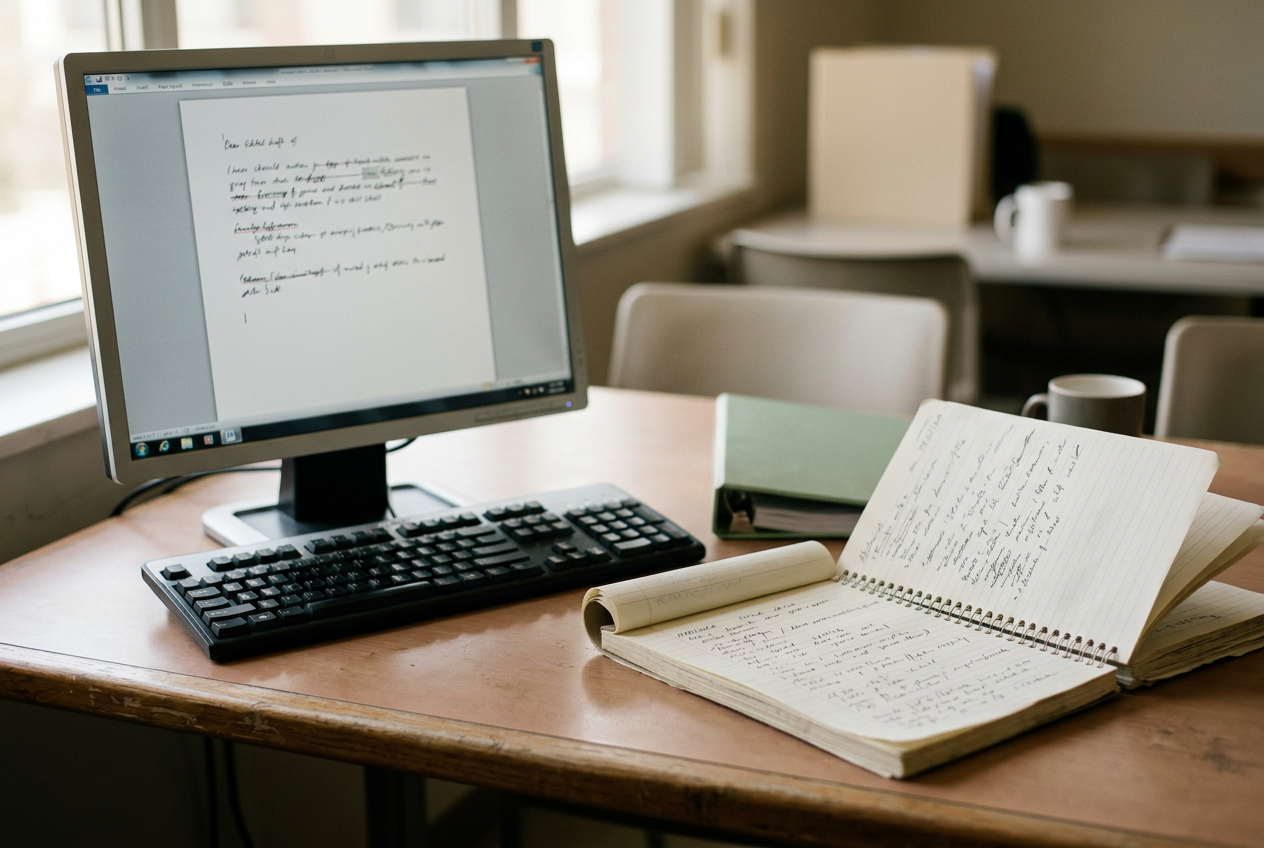
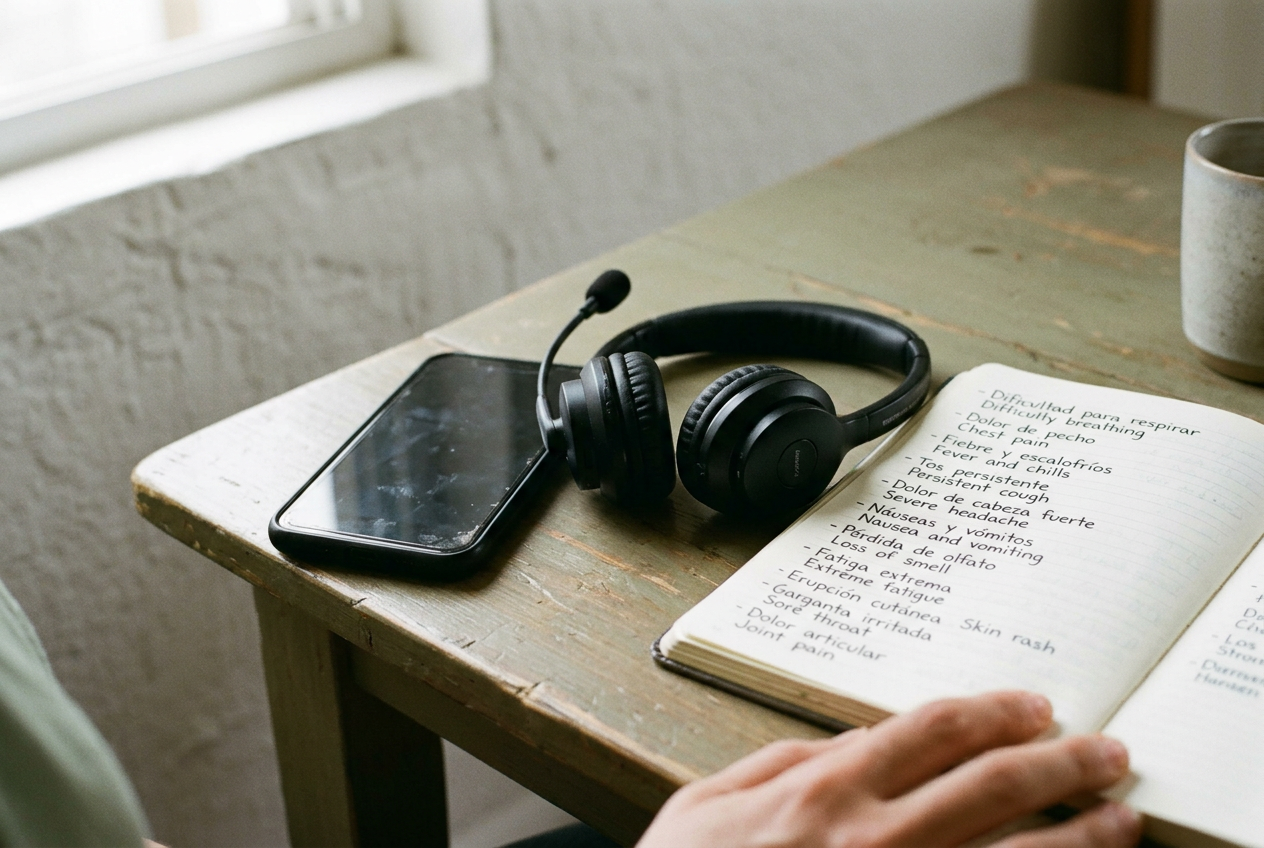
Leah had carried a notebook in her scrub pocket for most of her 12 years as a bedside nurse. During a shift, she wrote fragments that would mean little to anyone else: a medication held, a family concern, a patient’s own description of pain. The notebook was not the medical record. It helped her build one later.
In September 2024, her hospital introduced an AI documentation tool intended to shorten that later work. With the patient’s permission, the system captured parts of bedside conversations and turned them into draft notes. It could also take a nurse’s dictated summary and arrange it under the headings used in the chart.
The first drafts looked good. Sentences were complete. Repeated phrases disappeared. Leah spent less time moving the cursor through empty fields, and on an uncomplicated shift she could finish documentation about 20 minutes earlier than before.
Then she opened a draft for a patient whose hands had been shaking.
Her notebook said, “tremor, maybe anxiety, monitor.” The generated note said the patient showed signs of alcohol withdrawal.
That was a different claim.
The patient had denied regular alcohol use. A family member had mentioned anxiety, and Leah had described the shaking as something to watch rather than a conclusion. The AI had taken an observed movement, matched it to a common clinical explanation, and written the explanation as settled.
Leah deleted the sentence. She kept the notebook.
The sentence that changed
The tool did not copy speech into the chart. It produced a new account from speech.
First, software converted audio into text and tried to separate speakers. A language model then condensed the transcript, selected details it judged relevant and placed them into a clinical structure. That second step made the drafts readable, but it also allowed the system to replace hesitant language with the kind of direct statement that appears often in medical notes.
Words such as “may,” “seems” and “possibly” carry clinical weight. So does the source of a statement. A patient saying that she felt confused after poor sleep is not the same as a nurse documenting acute confusion, and a relative’s suspicion is not a finding made at the bedside.
The model had no independent view of the patient. It could not examine the shaking hands or decide whether Leah believed one explanation more than another. It worked from patterns in language, including the ordinary association between tremors and withdrawal, then generated a compact note that resembled examples from clinical writing.
That helps explain the confidence. A language model chooses likely wording; it does not hold uncertainty the way a nurse does unless the uncertainty survives transcription and the model preserves it. Compression can remove the small phrases that mark the boundary between observation and diagnosis.
Leah began comparing each draft with her notebook. Five shifts later, she had marked 17 changes that affected meaning rather than grammar. Six had changed either the degree of certainty or who had supplied the information.
One draft turned a patient’s statement that he had felt dizzy earlier into a current fall-risk warning. Another placed a daughter’s concern about memory under the nurse’s assessment. The facts were related to the conversation, which made the changes harder to spot than random errors would have been.
A misspelled medication stands out. A plausible sentence can pass.
A second pass no one had planned
The unit had adopted the tool during a period of open positions and frequent extra shifts. Nurses were told it would reduce documentation time, and sometimes it did. Leah did not want the old blank screen back.
She liked being able to speak a rough account after leaving the bedside, especially when the shift had been interrupted by an alarm or an admission. The draft remembered routine details she had already said aloud. On some nights, it gave her a usable first version while the sequence was still clear.
Her work still changed. She stopped reading the generated note as an improved copy of her words and began reading it as another person’s account that might contain a confident misunderstanding. That required a different kind of attention, because the polished grammar encouraged trust while the important errors tended to sit inside ordinary sentences.
The hospital measured whether staff opened and signed the drafts. It did not initially measure how often they changed a statement from definite to tentative, restored the source of a claim or removed an inference the nurse had never made. A signed note looked like successful use even when the nurse had spent longer correcting it than she would have spent writing from scratch.
Leah showed her manager the notebook. She did not bring every awkward sentence. She pointed to the six changes involving certainty or attribution, then placed each beside the final chart entry she had corrected.
The response was cautious. Nurses remained responsible for reviewing what they signed, which Leah already knew. The vendor could adjust templates and prompts, but no setting could guarantee that the model would preserve every qualifier. The tool was built to summarize, and summarizing meant deciding what mattered.
For the next month, the unit narrowed where the system was used. Staff could still generate routine shift narratives, but Leah and several coworkers avoided it for conversations involving a disputed history or symptoms with several possible causes. This was not a formal rejection of the tool. It was a boundary made during work.
The notebook changed too. Leah started circling uncertainty words before dictating. She wrote “patient states” beside details that came from the patient and “family reports” beside details from relatives. Those distinctions had always mattered, but now she was preparing her notes for a system that might smooth them away.
That preparation took time. So did checking whether the generated draft had mistaken the voice of a family member for the patient, a problem that could begin during speaker separation before the language model wrote a sentence. Noise, overlapping speech and a television could make the transcript less reliable, while the final prose gave no visible sign of the uncertainty underneath.
The microphone at the bedside
The tool also changed what counted as documentation work. A conversation once heard by the people near the bed could now pass through transcription software before becoming a draft.
Patients received a brief explanation and could decline. Leah found that consent was easier to describe in general than in detail. She knew the system listened during selected encounters and that staff could pause it. She was less certain how long source audio remained available, which employees could retrieve it or whether a deleted draft left other records behind.
Those were not abstract privacy concerns during a bedside conversation. Patients talked about substance use, housing and family conflict. They sometimes added something after asking whether it would go into the chart. With the tool present, Leah had to think about both the medical record and the material used to create it.
She sometimes turned the capture off. Other times she kept it on because the patient agreed and the draft was useful. Her practice became uneven by design.
Two months after she first found the withdrawal warning, the unit added a short review focused on certainty and attribution. Staff were shown examples of generated sentences that had dropped qualifiers or assigned a family statement to a patient. The examples did not make the tool accurate. They gave nurses a name for the failure.
Leah’s notebook tally reached 31 substantive corrections over 18 shifts, then she stopped counting every one. The number had done its job. Her manager had evidence that adoption statistics alone could not show how much labor moved from writing to verification.
The hospital kept the system.
Leah kept using it for some notes. On a routine recovery, the generated draft could still save her 15 minutes. When a patient’s condition was unclear, she often wrote the note herself, using the notebook fragments in the order she trusted.
Months later, the first page with the tremor entry remained folded in the notebook. The words were still tentative: “maybe anxiety, monitor.”
Questions people ask
Why would an
AI nursing note sound more certain than the nurse did?
The tool generated a summary rather than copying each word. In Leah’s drafts, that compression sometimes removed qualifiers such as “maybe” or replaced an observation with a common clinical interpretation, producing smoother language while changing how firmly the chart stated the claim.
Could the nurse correct the AI-generated note before signing it?
Yes. Leah could edit or delete generated text before it became part of the signed chart. The problem was that plausible errors demanded close comparison with the conversation and her own notes, so work presented as faster documentation also created a second job: checking the model’s account.
Did the hospital stop using the documentation tool?
No. The unit limited its use in conversations where symptoms had several possible causes or where patients and relatives gave conflicting accounts. Staff continued using it for some routine notes, and Leah found that those drafts could still save about 15 minutes.
What record helped the nurse show what was going wrong?
Leah used the notebook she already carried during shifts. Over 18 shifts, she recorded 31 corrections that changed meaning, including six early examples involving certainty or the source of a claim; the first page still held the words “maybe anxiety, monitor.”
One story a day
The story of the day, in your inbox
One real story about AI each morning — no hype, no alarm, just company for the road.